AI technology has changed the education sector a lot. This technology ensures that every student has fair chances. Smart tools and adaptive platforms improve the inclusivity of academic settings.
You probably want to know more about current AI tools and capabilities. So, keep reading to learn about the influence of this technology!
Accessibility Benefits of AI
The impact of AI technology on education is huge. Students with different needs can enjoy a more personalized experience now. These tools provide everyone with equal opportunities. Here are the main benefits they can offer.
Personalized Learning
A huge accessibility benefit of AI is its ability to adapt educational content to the needs of each student. Traditional classrooms follow a general pace. It may not work for learners who need more time to process information or prefer alternative learning formats.
AI systems can
- Recommend exercises,
- Adjust difficulty levels,
- Provide additional explanations,
- Offer visual aids.
So, people can pick their preferred learning style. Plus, they can study at their own speed.
Special Needs Assistance
Assistive AI technology allows people with impairments to engage in different class activities. Some of the top instruments are
- Speech-to-text,
- Text-to-speech,
- Captioning systems.
They help students perform more independently. So, they don’t need to work with constant human assistance.
On-Demand Support
AI tutoring systems can offer you 24/7 support. They answer questions and provide examples whenever you need help. It is especially useful for learners who need repeated practice.
These tutors simplify complex concepts into more manageable steps. They offer reinforcement based on the student’s progress. The possibility of revisiting content encourages consistent engagement.
Accessibility Improvements in Digital Content
AI also improves the accessibility of digital resources. It examines content and makes automatic improvements. For example, this advancement can
- Generate alternative text,
- Convert handwriting into digital text,
- Clean up audio.
Plus, it can scan entire libraries or course catalogs. It identifies inaccessible elements and suggests improvements.
Emotional Support
Mental problems can affect the learning process for some students. AI-based emotion recognition tools can detect
- Frustration,
- Disengagement,
- Confusion.
It’s not a substitute for mental health support. However, these details help teachers intervene when needed or adjust teaching methods.
Integrating AI into Your Workflow

You need to understand the challenges you want to solve when integrating AI into the education environment. It’s essential to examine which tasks slow you down or limit student progress.
Your next step is to choose the tools that align with your workflow. We will describe some popular alternatives below. Some educators rely on technologies that are ready to use, like
- AI writing assistants,
- Personalized reading platforms,
- Learning analytics dashboards.
However, customized platforms built through AI software development solutions might be a better alternative for you. You can design systems that match your curriculum and integrate with existing learning management systems.
Next, you can start introducing AI, but try to do it gradually. So, it won’t overwhelm your staff, and you’ll encourage experimentation. Plus, teachers will have more time to modify their instructional strategies.
Also, remember that successful integration requires open communication with students. Using AI responsibly helps technology support learning while avoiding bias.
Plus, you should regularly check how the new systems perform. You can collect feedback from learners and instructors to assess the accuracy of automated processes.
AI Tools Used in Education
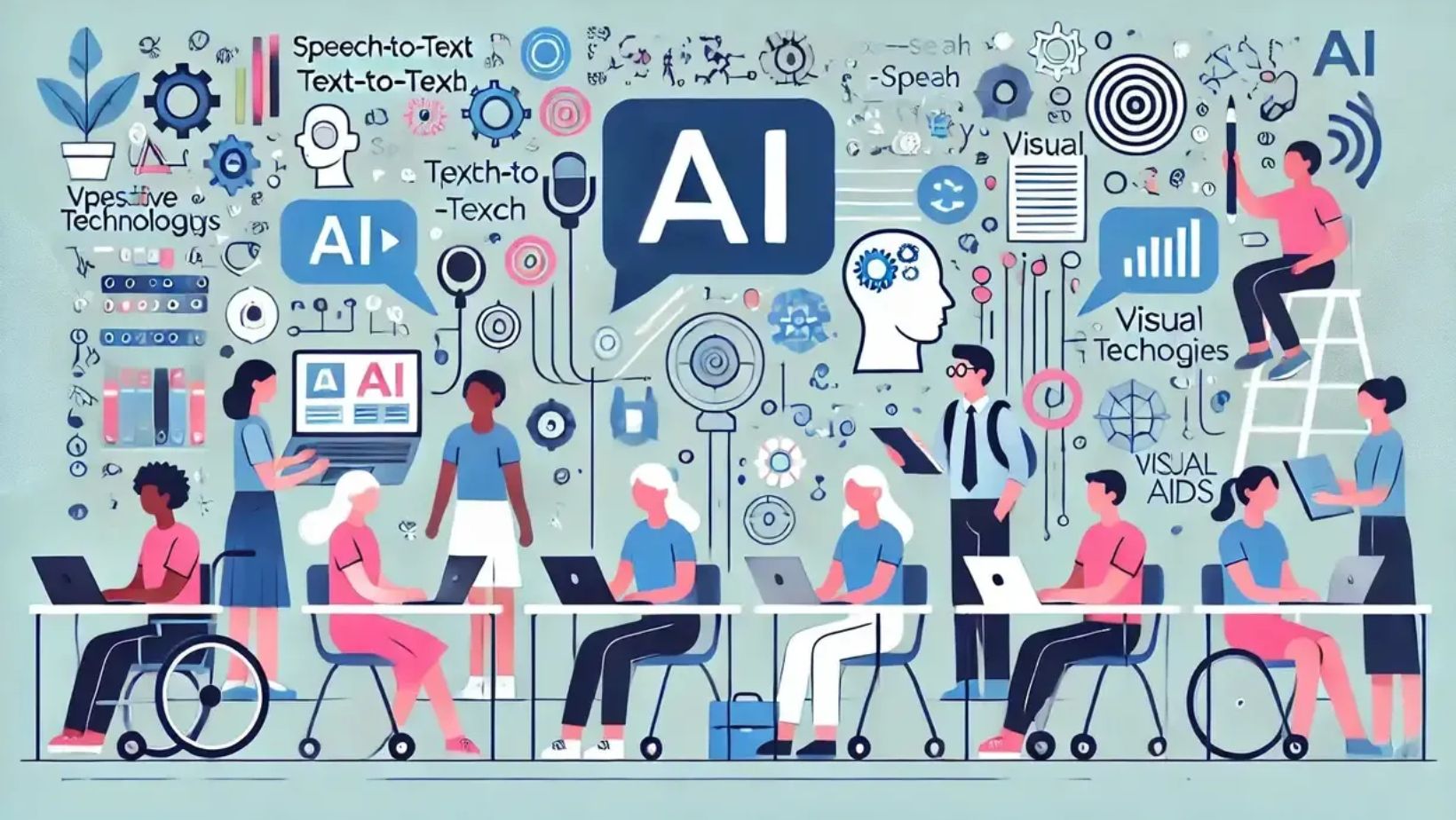
AI expanded access to education for more people. This technology helps anyone who needs alternative methods for interacting with academic content. Here are some popular tools used in educational settings.
TTS Technology
TTS technology is a foundational AI tool that supports accessible education. It converts written material into voice output. Modern TTS systems use natural voices, and students can
- Adjust the pace,
- Choose different voice styles,
- Follow along with highlighted text.
This tool reduces cognitive strain and opens access to different online content.
Speech-to-Text Tools
Speech-to-text technology is also an equally important instrument. These tools transform spoken words into written text. They help learners who have
- Mobility impairments,
- Dysgraphia,
- Temporary injuries.
They recognize diverse speech patterns and accents. So, these systems help multilingual learners who may feel more comfortable speaking than writing in a new language.
Subtitling and Transcription
Live transcription tools are essential in accessible learning environments. These systems create instant subtitles for
- Lectures,
- Classroom discussions,
- Video content.
They are helpful for students with auditory disabilities. Captions also support people who prefer visual cues.
You can save transcriptions and review them later. It gives all students access to detailed notes and lecture content.
Translation Instruments
AI translation tools remove language barriers that usually discourage people from engaging. These instruments quickly translate instructions and verbal explanations into a student’s native language.
Plus, many of these systems offer simplified explanations of complex academic terms. They help students build language proficiency. So, people from different linguistic backgrounds can understand assignments better.
Adaptive Platforms
Adaptive platforms complete the tutoring systems we mentioned before. They continuously adjust lesson difficulty and content based on student performance.
These platforms monitor learning patterns and provide material that fits the skill level of each person. Plus, adaptive systems offer a high level of personalization that prevents frustration and encourages progress.
They quietly recalibrate instruction in the background and make learning more fair.
AI Tools for Visual Accessibility
People with vision problems rely on AI solutions a lot. For example, they can use optical recognition software to turn printed text into a digital format.
Automated alt-text generators can describe images, charts, and diagrams.
Plus, AI visual enhancement tools allow students to adjust the brightness and contrast of the screen. These capabilities give visually impaired learners more independence.
Writing Support
Writing support tools with AI help students in organizing their thoughts and strengthening their written communication. These tools also provide gentle guidance on
- Grammar,
- Sentence structure,
- Tone,
- Vocabulary.
They usually don’t correct errors mechanically. These instruments explain the need to make a change and encourage you to develop your skills.
Conclusion
AI tools are transforming accessibility in the education sector. They provide personalized support and live language assistance. This technology simplifies the learning process for people who struggle with traditional education. Some of the top AI tools are
- TTS tools,
- Speech-to-text technology,
- Captioning and transcription,
- Translation instruments,
- Adaptive learning platforms.
We recommend you use professional AI software development services to incorporate this technology into your processes.