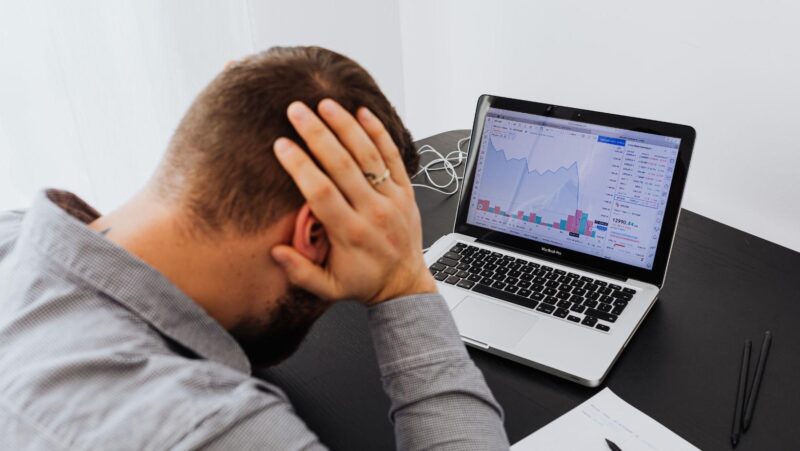
Volatility has always been a part of crypto, but as we move closer to 2026, the swings in the market are getting faster, sharper, and more unpredictable. Prices can change a lot in a matter of minutes because of macro uncertainty, news about regulations, AI-driven trading, and quick changes in the story. Keeping up has become harder for many traders.
Against this backdrop, copy trading has emerged as one of the fastest-growing strategies in crypto. Once seen as a beginner shortcut, it is now used by a wide range of participants looking for structure, speed, and consistency in turbulent markets.
What Is Copy Trading in Crypto?
Copy trading lets consumers automatically copy the deals of professional traders in real time. Instead of making every decision by hand, followers give money to a lead trader whose holdings are replicated in a proportional way.
Users can look at trader profiles, see how well they have done, and adopt methods that fit their risk tolerance using services provided by any major crypto platform that offers copy trading.
Copy trading has come a long way since the days of simple “follow and hope” methods. It is now more open and customisable.
Why Market Volatility Is Driving Copy Trading Adoption
Markets that change quickly can be good for business, but they also punish people who hesitate or make decisions based on how they feel. A lot of retail traders have trouble making trades consistently when they’re under pressure.
Copy trading solves this problem by:
- Lessening emotional responses
- Allowing for speedier execution
- Giving structured plans
- Giving exposure without having to watch it all the time
When prices change quickly, it’s frequently better to have a set system, even if it’s managed by another trader, than to make things up as you go.
From Beginner Tool to Strategic Choice
Copy trading was widely sold to people who were new to trading in earlier cycles. Its user base has grown a lot since 2026.
Copy trading is being used by traders of all levels, from beginners to experts, to:
- Use different methods
- Get to know markets they don’t usually follow.
- Cut down on time spent in front of a screen
- Check their own work against a standard
Copy trading has become a technique to add to talent instead of replacing it.
Improved Transparency Builds Trust
One of the main reasons copy trading had problems in the past was that it wasn’t clear. Platforms now provide us a far better idea of how traders act.
Detailed Performance Metrics
Users can review:
- Long-term ROI
- Maximum drawdown
- Win/loss ratios
- Trading frequency
- Risk scores
This data helps filter out short-term luck and identify sustainable strategies.
Real-Time Trade Visibility
Followers can see entries, exits, and position sizes as trades happen, increasing confidence and accountability.
Traders who hide losses or over-leverage quickly lose credibility in this environment.
Risk Controls Are More Advanced in 2026
Copy trading is not risk-free, but modern platforms offer better safeguards.
Custom Capital Allocation
Users can limit how much capital is allocated per trader or per position, preventing overexposure.
Stop-Copy and Max Drawdown Limits
Followers can automatically stop copying a trader if losses exceed predefined thresholds.
These controls make copy trading far more resilient during extreme market conditions.
Why Copy Trading Fits Volatile Markets So Well
Volatility rewards speed, discipline, and experience. Copy trading puts all of these things together.
Professional traders often: React more quickly to changes in the market
- Follow the rules for risk that have already been set.
- Don’t trade too much when you’re upset.
- Quickly change your plans
Users can learn abilities that are hard to copy on their own by observing these traders, especially when things are busy.
The Role of Social and Community Dynamics
Copy trading also makes use of social behavior. Traders look for comfort and shared decision-making when the markets are unclear.
Seeing how other people stand:
- Lessens loneliness
- Gives you confidence
- Promotes disciplined action
A lot of platforms in 2026 integrate copy trading with social feeds, comments, and conversations about performance, which makes trading feel less lonely.
Common Misconceptions About Copy Trading
Despite its growth, copy trading still faces skepticism.
Some assume it guarantees profits. It does not.
Others believe it removes the need to learn. It shouldn’t.
Successful users treat copy trading as:
- A strategy, not a promise
- A tool, not a shortcut
- A learning opportunity, not blind trust
Understanding why a trader succeeds is just as important as copying their trades.
Who Benefits Most From Copy Trading in 2026?
Copy trading is especially good for:
- Traders who don’t have a lot of time
- Users are overwhelmed by how volatile things are.
- People who are new to the market are learning how it works.
- Investors who want to spread out their money
- Traders moving from one phase of the market to another
It is less good for people who don’t want to deal with drawdowns or manage risk aggressively.
Why Copy Trading Is Likely to Keep Growing
As the crypto markets grow, they become more complicated. Copy trading makes it easier for people to get involved without taking away their accountability.
When things are unstable, traders tend to use systems that:
- Give structure
- Cut down on emotional mistakes
- Be open
- Scale as you gain experience
Copy trading hits all of these boxes, which is why it is becoming so popular so quickly as we approach 2026.
Final Thoughts: Copy Trading as a Volatility Tool
Copy trading is getting more popular not because crypto traders want to earn quick money, but because it’s harder to trade on your own. In the uncertain world of 2026, having a structured plan, being open, and managing risk are more vital than ever.
Copy trading can help traders stay focused, disciplined, and adaptable, even when the markets move swiftly and people’s feelings alter overnight. But they need to utilize it properly. It doesn’t take the place of knowing what risk is, but it has become a very valuable way to deal with it.