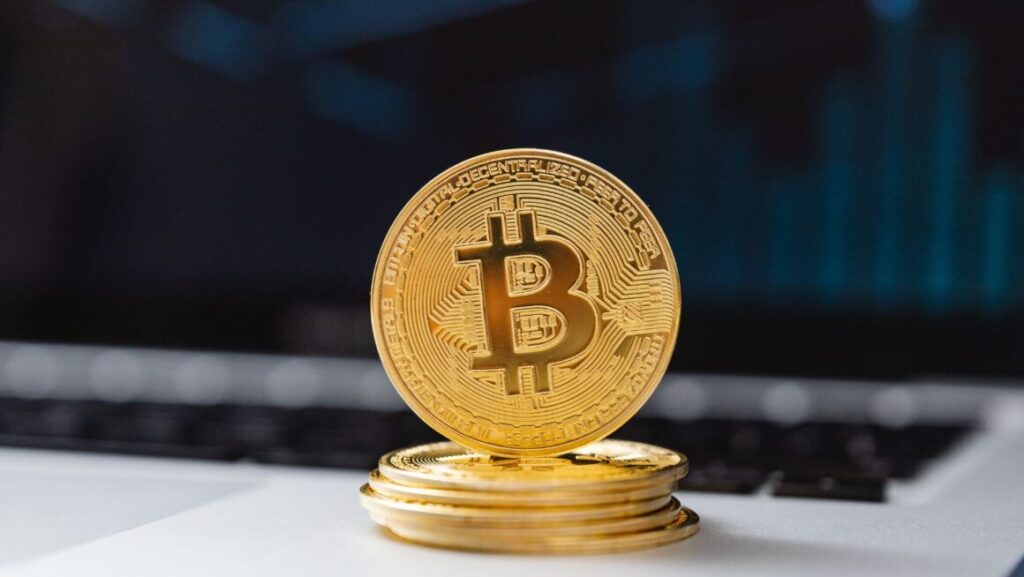
Crypto cards make it easier to use digital currencies in everyday life. They bridge the gap between cryptocurrencies and traditional payments by allowing users to spend crypto at regular stores, online shops, and even ATMs. While they work much like debit or credit cards, crypto cards are connected to a digital wallet instead of a bank account.
With a crypto card, cryptocurrency is automatically converted into local currency at the point of payment. This means merchants receive standard fiat money, while users spend their crypto seamlessly.
What Are Crypto Cards?
A crypto card is a payment card linked to a cryptocurrency wallet rather than a traditional bank account. When you make a purchase, the card converts your crypto into local currency almost instantly. To the merchant, the transaction looks no different from a regular card payment.
Some crypto cards require you to preload funds by transferring crypto to the card balance. Others connect directly to your main wallet and deduct funds automatically as you spend.
How Crypto Cards Work
When a payment is made, the crypto card calculates the required amount of cryptocurrency based on the current exchange rate. That crypto is then converted into fiat currency in seconds, allowing the transaction to be completed smoothly.
The process happens behind the scenes, so users don’t need to manually exchange crypto before making a purchase. This convenience is what makes crypto cards appealing for daily spending.
Choosing the Right Crypto Card
Not all crypto cards are the same. Each provider offers different features, fees, and supported currencies. When choosing a card, consider how you plan to use it:
- Travelers may benefit from cards with low foreign transaction fees
- Frequent spenders might prefer cards offering cashback or rewards in cryptocurrency
- Crypto holders should check which coins are supported
For example, Oobit makes it easy to spend USDT, Bitcoin, Ethereum, and other stablecoins at millions of stores and websites that accept Visa.
Security Features to Look For
Most crypto cards include standard security measures such as PIN protection, two-factor authentication, and real-time transaction alerts. Many also offer advanced controls through mobile apps, including:
- Freezing or unfreezing the card instantly
- Setting spending limits
- Monitoring transactions in real time
It’s equally important to secure your crypto wallet. Losing access to private keys can mean losing your funds permanently, so proper storage and backup are essential.
Fees and Spending Limits
Before signing up, review the card’s fee structure carefully. Common fees may include:
- Card issuance fees
- Currency conversion fees
- ATM withdrawal charges
- Monthly maintenance fees
Spending and withdrawal limits may also apply, especially for new users or virtual cards. Some providers offer free transactions up to a certain limit, while others charge a small percentage per transaction.
Using Crypto Cards Safely
To use a crypto card safely, protect your wallet credentials and avoid making transactions over public Wi-Fi. Store physical cards securely and report any loss or suspicious activity immediately.
Regularly monitoring transactions and setting alerts can help you detect unauthorized activity early and reduce the risk of financial loss.
How to Get Started
Getting started with a crypto card is usually straightforward. Most providers require you to:
- Create an account
- Verify your identity
- Link a crypto wallet
- Fund the account
Many services offer virtual cards immediately after signup, allowing you to make online purchases before your physical card arrives.
Final Thoughts
Crypto cards offer a practical way to spend digital assets in everyday situations. While crypto prices can be volatile, understanding how these cards work, being aware of fees, and following basic security practices can make them easy to use.
By choosing a reliable provider and starting cautiously, beginners can explore crypto cards without unnecessary complications and gain confidence in using cryptocurrency for daily payments.
Frequently Asked Questions About Crypto Cards
Are crypto cards safe to use?
Crypto cards are generally safe when provided by reputable companies that follow financial regulations and use standard security measures. These typically include PIN protection, two-factor authentication, and real-time transaction alerts. Users can also improve safety by protecting their wallet credentials and monitoring activity regularly.
Do merchants know I’m paying with cryptocurrency?
No. When you use a crypto card, the cryptocurrency is converted into local currency before the transaction reaches the merchant. From the merchant’s perspective, it looks like a normal card payment, similar to using a debit or credit card.
Are crypto card transactions taxable?
In many countries, spending cryptocurrency may be considered a taxable event because it involves converting crypto into fiat currency. Tax rules vary by location, so it’s important to keep records of transactions and check local regulations or consult a tax professional.
Can I use a crypto card internationally?
Yes, most crypto cards can be used internationally wherever the card network (such as Visa or Mastercard) is accepted. However, foreign transaction fees or currency conversion charges may apply, so it’s important to review the card’s fee structure before traveling.
What fees do crypto cards usually charge?
Crypto card fees vary by provider and may include card issuance fees, crypto-to-fiat conversion fees, ATM withdrawal charges, or monthly maintenance fees.
Some cards offer free transactions up to a certain limit, while others charge a small percentage per transaction.
Do I need to preload funds onto a crypto card?
That depends on the card provider. Some crypto cards require users to preload funds by transferring cryptocurrency to the card account, while others connect directly to a main wallet and deduct funds automatically when a purchase is made.
Can crypto cards support multiple cryptocurrencies?
Many crypto cards support multiple cryptocurrencies, including Bitcoin, Ethereum, and stablecoins. The exact list of supported assets depends on the provider, so users should check compatibility before signing up.
What happens if the price of crypto changes after I make a payment?
Once a payment is completed, the crypto is converted at the exchange rate at that moment. Any price changes after the transaction do not affect the completed payment, though the value of remaining funds in your wallet may fluctuate.