Finding experienced, reliable care for vein disease matters, especially when symptoms range from cosmetic spider veins to painful varicose veins that limit daily activity. An experienced vein specialist for vein disease treatment can accurately diagnose the root cause and recommend the least invasive, most effective option based on individual circulation health. Clinics such as Metro Vein Centers emphasize precise diagnostic imaging, modern minimally invasive treatments, and care plans designed to minimize downtime. This guide explains what a vein specialist does, the common conditions they treat, how diagnosis and treatment work today, and practical tips for choosing the right clinician, so busy professionals can quickly evaluate options and make confident decisions about their care.
What is an Experienced Vein Specialist?
A vein specialist is a physician, often with additional training in vascular medicine, interventional radiology, or phlebology, who focuses on disorders of the venous system. An experienced vein specialist for vein disease treatment combines clinical assessment with imaging, procedural skill, and a pathway for long-term management. They don’t just treat surface symptoms: they identify underlying venous reflux, obstruction, or clotting risks and match treatment intensity to the patient’s goals.
Experience shows up in several ways: a track record of up-to-date, minimally invasive interventions (like endovenous ablation or ultrasound-guided sclerotherapy), familiarity with wound care for advanced cases, and the ability to manage comorbidities that influence outcomes (obesity, diabetes, or clotting disorders). Patients benefit when the specialist takes a systems view, addressing function, symptoms, cosmetic concerns, and recurrence risk, rather than offering a one-size-fits-all procedure.
Common Vein Diseases Treated
Vein specialists treat a spectrum of disorders, from purely cosmetic issues to serious, limb-threatening disease. Below are the most common conditions they see and treat.
Varicose Veins
Varicose veins are enlarged, tortuous veins usually caused by venous reflux, when valves in the veins fail, and blood flows backward. They often appear on the calves and thighs and can cause aching, heaviness, swelling, cramping, and night cramps. Treatment options range from conservative measures to endovenous thermal ablation and ambulatory phlebectomy.
Spider Veins
Spider veins are smaller, superficial networks of red, blue, or purple vessels. While often cosmetic, they can sometimes cause burning or itching. Sclerotherapy and surface laser treatments are common options: an experienced vein specialist will determine whether spider veins are isolated or a sign of deeper venous insufficiency.
Chronic Venous Insufficiency (CVI)
CVI is a progressive condition where impaired venous return leads to skin changes, hyperpigmentation, lipodermatosclerosis, and persistent swelling. Left untreated, CVI can cause discomfort and reduced mobility. Management typically combines compression therapy, medical optimization, and corrective procedures to restore proper flow.
Deep Vein Thrombosis (DVT) and Venous Ulcers
DVT is a clot in the deep veins that can be life-threatening if it reaches the lungs. Vein specialists work with hematologists and primary teams to manage acute clots and prevent recurrence. Chronic post-thrombotic syndrome and venous ulcers are downstream complications: treatment may include anticoagulation, compression, wound care, and, in select patients, endovascular intervention.
Signs and Symptoms that Warrant Seeing a Vein Specialist
Knowing when to see a specialist can prevent progression and improve quality of life. An experienced vein specialist for vein disease treatment will screen for red flags and design individualized plans.
Early Symptoms to Watch For
- Persistent leg heaviness or aching after standing or sitting
- Visible bulging veins or new spider veins
- Intermittent swelling, especially at the end of the day
- Cramping or restless legs at night
- Itching or minor skin discoloration around the ankles
Early consultation helps determine whether conservative measures (compression, exercise, weight management) are sufficient or whether imaging and procedural therapy are indicated.
Red Flags and When to Seek Immediate Care
- Sudden, severe swelling in one leg with pain and warmth (possible DVT)
- Shortness of breath or chest pain with leg symptoms (seek emergency care)
- Open, non-healing ulcers or signs of infection near a wound
- Rapidly worsening pain or skin changes
When these signs appear, immediate evaluation, often with duplex ultrasound, is essential to guide urgent treatment and reduce complications.
Diagnosis, Treatment, and Recovery Overview
Contemporary vein care emphasizes accurate diagnosis, minimally invasive therapy, and realistic recovery expectations. An experienced vein specialist integrates diagnostics, conservative care, procedures, and follow-up.
Diagnostic Tools and Advanced Testing (Duplex Ultrasound, Venous Mapping)
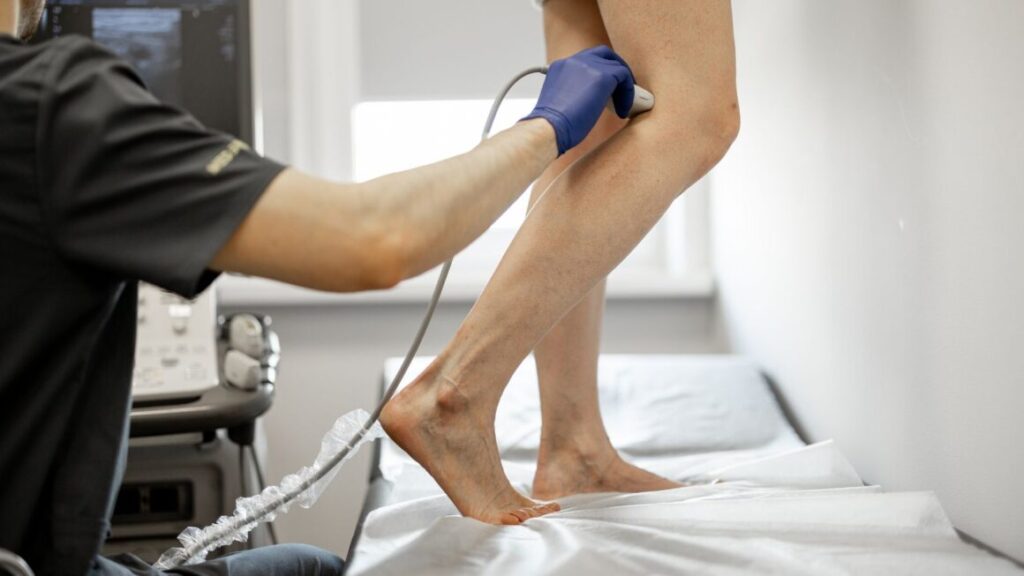
Duplex ultrasound is the cornerstone: it visualizes blood flow, maps reflux, and identifies obstructions or clots. Venous mapping documents which veins are problematic and guides procedural planning. In complex cases, CT venography, MR venography, or intravascular ultrasound (IVUS) may be used.
Conservative and Medical Management (Compression, Medications, Lifestyle)
For many patients, compression stockings reduce swelling and improve symptoms. Medications can help with pain and inflammation in specific contexts, and an emphasis on leg elevation, activity, and weight management complements procedural care. Anticoagulation is central to DVT treatment and sometimes used prophylactically.
Minimally Invasive Procedures (Sclerotherapy, Radiofrequency/Laser Ablation, Ambulatory Phlebectomy)
Minimally invasive options are the standard for symptomatic varicose and spider veins:
- Sclerotherapy injects a solution to collapse small to medium veins.
- Endovenous thermal ablation (radiofrequency or laser) seals refluxing veins under ultrasound guidance.
- Ambulatory phlebectomy removes visible varicose veins through tiny skin incisions.
These procedures typically occur under local anesthesia, have short recovery times, and carry lower complication rates than traditional surgery.
Recovery Expectations and Follow-Up Care
Recovery depends on the procedure: many patients return to normal activity within days after ablation or sclerotherapy. Compression is commonly recommended for 1–2 weeks. Follow-up ultrasound confirms vein closure and monitors for recurrence. Realistic counseling from the specialist about recurrence risk and lifestyle strategies improves long-term outcomes.

How to Choose the Right Vein Specialist
Selecting the right clinician requires weighing credentials, experience, logistics, and communication style, especially for professionals balancing busy schedules.
Credentials, Training, and Experience to Look For
Look for board certification in relevant fields (vascular surgery, interventional radiology, or internal medicine with vascular training) and fellowship training in venous disease or phlebology. Ask about the clinician’s procedural volumes and outcomes for the specific treatments under consideration; experience correlates with fewer complications and better patient satisfaction.
Practical Considerations: Location, Telehealth, and Insurance
Practical factors matter. Convenient clinic locations, flexible scheduling, and telehealth options for follow-ups reduce disruption to work. Confirm whether the practice accepts the patient’s insurance or offers transparent self-pay pricing for elective procedures. Many clinics provide bundled pricing for a series of treatments, useful for budgeting.
Questions to Ask During Your Consultation
- What’s the likely cause of my symptoms based on history and exam?
- Which diagnostic tests will you use and why?
- What are the treatment options, risks, and expected recovery times?
- How many procedures of this type have you performed, and what are your complication rates?
- Will follow-up imaging be provided, and how is recurrence managed?
An experienced vein specialist for vein disease treatment will answer these directly, provide a clear plan, and respect a patient’s time, important for busy business owners and agency leads who need efficient, trustworthy care.
Conclusion
An experienced vein specialist for vein disease treatment brings diagnostic precision, a preference for minimally invasive care, and a structured follow-up process that reduces recurrence and improves quality of life. For professionals who need prompt, reliable care, prioritizing credentials, procedural experience, and practice logistics, like telehealth and transparent pricing, helps select the right provider quickly. Early evaluation often leads to simpler treatments, faster recovery, and better long-term results, so scheduling a consultation when symptoms first appear is a pragmatic step toward maintaining mobility and comfort.