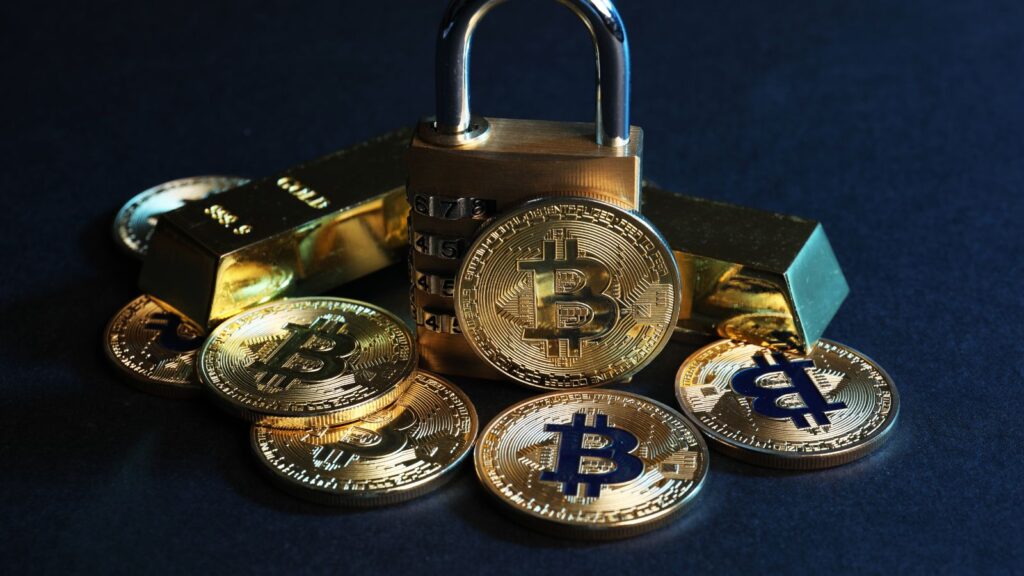
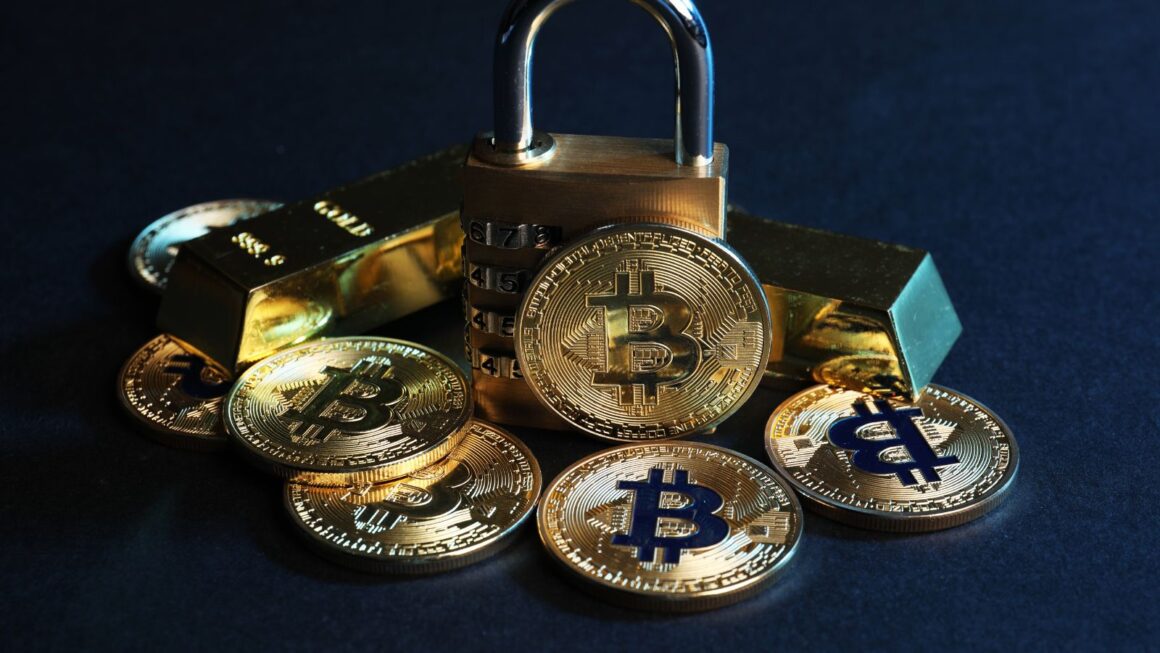
The future of crypto trading is being shaped by stronger security measures as institutional participation continues to grow. Increased confidence in exchanges is driven by enhanced security protocols and clearer regulatory frameworks.
Crypto markets have expanded significantly, with monthly derivatives volume reaching $1.33 trillion in September 2023. Trading platforms are strengthening security frameworks to protect these growing assets. For example, platforms like XBO.com integrate technologies from AWS, Cloudflare, Fireblocks, Ledger, and Fugu to create secure trading environments.
As security standards evolve, traditional finance continues integrating with crypto. Stablecoin transaction volume is projected to reach $47.6 trillion by 2025. Exchanges are reinforcing trust by adopting strict standards such as CCSS Level 3 requirements, SOC 2 accreditation, and advanced SSL encryption.
Institutional Confidence Through Security Protocols
Institutional investors require strong security frameworks before allocating capital to digital assets. Regulatory compliance and standardized security practices form the foundation of participation.
- Adoption of KYC/AML Standards
Major exchanges now implement multi-layered verification, including biometric authentication, automated document checks, and AI-based AML screening.
In the U.S., exchanges must comply with the Bank Secrecy Act. In Europe, service providers operate under the Markets in Crypto-Assets Regulation (MiCA), fully applicable from December 2024. Institutions prioritize platforms holding recognized regulatory licenses.
- SOC 2 and CCSS Compliance
Independent certifications significantly increase investor trust. SOC 2 Type II reports verify security, availability, confidentiality, and privacy controls over time.
The Cryptocurrency Security Standard (CCSS) strengthens wallet management practices and reduces exposure to cyber threats. Platforms meeting higher CCSS levels demonstrate stronger operational resilience; a key requirement for institutional engagement.
Regulatory Frameworks Strengthening Market Security
- MiCA Regulation
The EU’s Markets in Crypto-Assets Regulation (MiCA), effective December 30, 2024, sets strict security and disclosure requirements for issuers and service providers. It mandates detailed documentation, governance standards, and transfer monitoring requirements.
- The CLARITY Act
The proposed Digital Asset Market Clarity Act aims to define U.S. regulatory responsibilities by categorizing digital assets and assigning oversight between regulators such as the CFTC and SEC. Clear classification enhances market confidence and compliance.
- Stablecoin Oversight
Global regulations increasingly require stablecoin issuers to maintain one-to-one reserves and robust risk controls. These safeguards are critical as stablecoins play a growing role in global payment and settlement infrastructure.
Security Technologies Reshaping Trading
Infrastructure
- Multi-signature Wallets & Cold Storage
Institutional exchanges rely on multi-signature wallets, requiring multiple approvals before executing transactions. Combined with cold storage where 80–90% of assets are typically kept offline, this significantly reduces hacking risks.

- Zero-Knowledge Proofs
Zero-knowledge proofs (ZKPs) allow transaction verification without revealing sensitive data. This enables privacy while maintaining compliance, making them valuable for institutional participants.
- Fireblocks & Ledger Integration
Technologies such as Fireblocks’ Multi-Party Computation (MPC) and Ledger’s hardware wallet integration reduce single points of failure and enhance asset custody security.
Bridging Traditional Finance and DeFi
- Tokenized Real-World Assets (RWAs)
Tokenization converts traditional assets into blockchain-based instruments while maintaining legal and economic integrity. Institutional custody, compliance rules, and on-chain settlement are driving adoption.
- Permissioned DeFi
Permissioned DeFi platforms allow whitelisted participants to access decentralized markets while meeting regulatory requirements. This model creates a bridge between compliance-focused institutions and blockchain innovation.
- Smart Contract Audits
Smart contract audits are essential for institutional adoption. Protocols with strong audit practices demonstrate greater resilience and reduced vulnerability to exploits.
Conclusion
Security protocols have become central to crypto market maturity. Institutional participation, regulatory clarity, and advanced technologies such as cold storage, multi-signature wallets, and zero-knowledge proofs are building a more secure ecosystem.
As stablecoin volumes expand and regulatory frameworks solidify, platforms that combine strict security standards with operational efficiency will lead the next phase of crypto trading evolution.
Security is no longer optional; it is the foundation of long-term sustainability in digital asset markets.