Have you ever sat in a restaurant and thought about how the staff manages so many things at the same time?
Orders come from tables, online platforms, and sometimes from a drive-thru window. Still, food reaches customers smoothly, and the staff keeps everything organized. A big reason behind this smooth flow is the use of modern technology in restaurants.
Restaurants today use digital tools to manage daily tasks like taking orders, sending them to the kitchen, tracking sales, and handling payments. Technology helps staff stay organized and work in a coordinated way. Systems like a cloud based pos help restaurants manage operations from one place and keep daily activities structured.
Let us look at eight ways technology supports everyday restaurant operations and helps teams work comfortably.
1. Faster Order Management
Restaurants handle many orders during busy hours. Technology helps staff record and manage these orders quickly.
Digital Order Entry
When staff take an order through a digital system, the details are entered directly into the restaurant software. This means the information moves instantly to the kitchen. Staff do not need to pass handwritten notes or repeat orders multiple times.
This process helps maintain clarity between the front staff and the kitchen team. It also keeps the order flow organized during busy periods.
In many restaurants, the order appears on a kds system where the kitchen team can see what needs to be prepared. Each item appears clearly on the screen along with any special instructions added by the server.
2. Organized Kitchen Workflow
A restaurant kitchen often prepares many dishes at once. Technology helps the kitchen team manage this work in an organized way.
Clear Kitchen Display
Kitchen screens show the order list in a structured format. Each order appears in the sequence it was received. Chefs can check the items and start preparing them accordingly.
The system allows kitchen staff to track which orders are in preparation and which ones are ready. This organized workflow helps maintain coordination between the kitchen and service staff.
When the kitchen team knows exactly what needs to be prepared next, the entire service process feels more structured and comfortable.
3. Smooth Payment Processing
Payments are an important part of restaurant service. Technology helps staff manage this step quickly and accurately.
Digital Payment Handling
Modern restaurant systems allow staff to process different types of payments through the same platform. Customers may use cards, mobile wallets, or other digital methods.
When the bill is generated, the system calculates the total amount automatically. Staff can complete the payment within seconds. Receipts are generated instantly, which helps maintain a clear transaction record.
Customers appreciate a smooth payment experience at the end of their visit, and digital payment systems help restaurants maintain this convenience.
4. Better Menu Management
Restaurant menus change from time to time. Technology helps managers update menu information easily.
Quick Menu Updates
When restaurants use digital menu systems, managers can update items directly through the software. New dishes can be added, prices can be adjusted, and item descriptions can be modified in minutes.
The updated menu appears immediately on the order screens used by the staff. This helps ensure that the latest information is always available while taking orders.
Digital menu management also supports restaurants that offer seasonal dishes or daily specials.
5. Helpful Sales Insights
Restaurant owners often review their daily performance to understand how their business is running. Technology helps provide useful information about sales and customer activity.
Simple Sales Reports
Restaurant systems collect sales data throughout the day. Managers can review this information through clear reports. These reports may show popular menu items, daily order counts, and peak service hours.
6. Better Staff Coordination
A restaurant works smoothly when all team members communicate clearly. Technology helps improve coordination between different sections of the restaurant.
Clear Task Communication
Digital systems allow staff to share information quickly. Servers can send orders directly to the kitchen, and kitchen staff can mark orders as ready when preparation is complete.
Managers can also review the order status and ensure that service continues in a structured way. This organized communication helps everyone stay on the same page.
When each team member knows their role and the current order status, the restaurant environment feels calm and coordinated.
7. Support For Drive-Thru Operations
Many quick-service restaurants also serve customers through a drive-thru window. Technology helps manage this process in an organized way.
Structured Drive-Thru Order Flow
Restaurants using fast food drive thru systems can take orders from customers arriving by car and send them directly to the kitchen.
The staff handling the drive-thru window can see each order clearly on their screen. The kitchen team also receives the same information instantly. This helps prepare the order while the customer moves through the drive-thru lane.
This organized process keeps the service flow comfortable for both staff and customers.
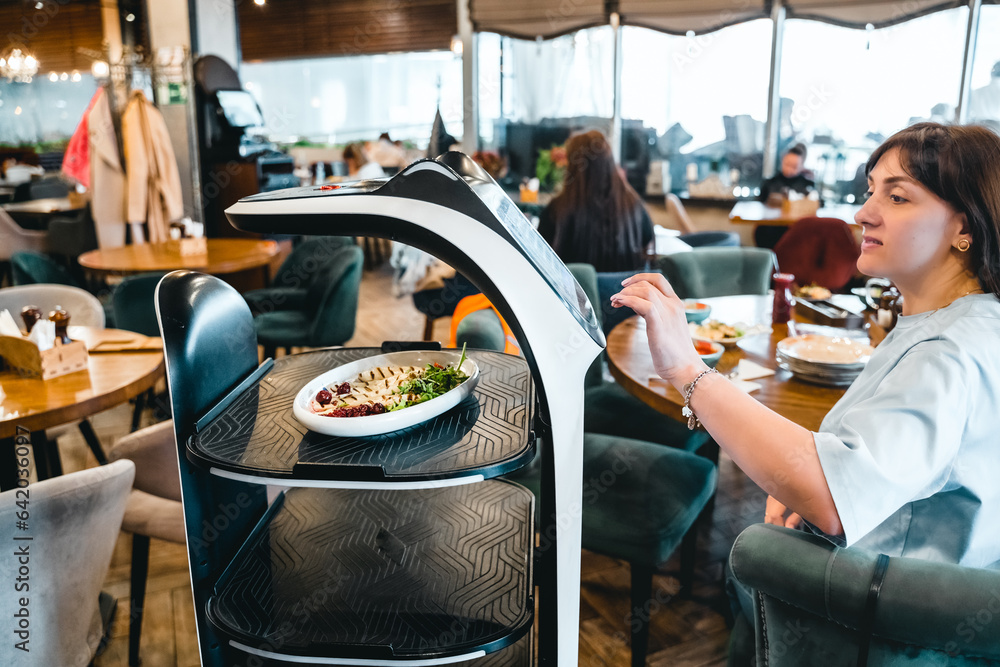
8. Centralized Restaurant Management
Running a restaurant involves many daily activities. Managers often review orders, payments, staff activity, and sales information.
One Platform For Daily Operations
Technology allows restaurants to manage many of these tasks from one system. Managers can check reports, review order history, and monitor daily activity through the same platform.
This centralized approach helps the restaurant team stay organized. Staff can find information quickly, and managers can review operations whenever needed.
When all operational data is stored in one system, the restaurant environment becomes more structured and easy to manage.
Final Thoughts
Technology plays an important role in supporting everyday restaurant operations. From taking orders and managing payments to organizing kitchen workflow and reviewing sales information, digital tools help restaurants maintain a clear and structured process.
Systems like cloud based POS platforms, kitchen display screens, and drive-thru order management tools allow restaurant teams to work together in a coordinated way. These tools support faster service, organized communication, and smooth daily operations.