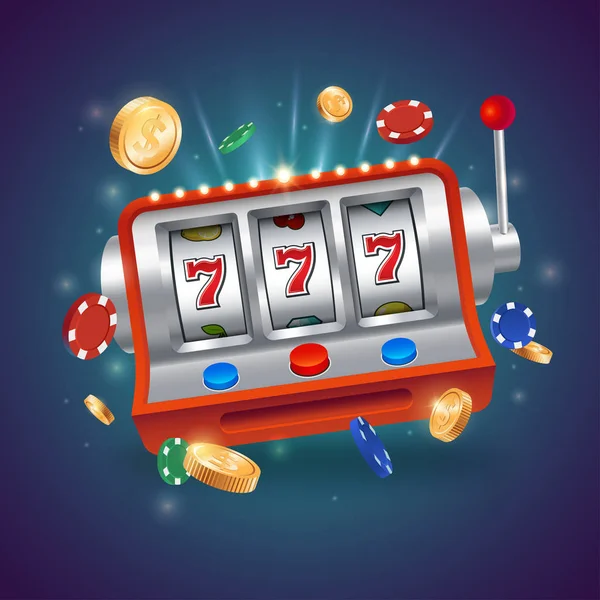
The reels are spinning, then a bright chime cuts through the background noise. A symbol lands, another note follows, and the screen feels more active than it did a moment earlier. You have not changed the stake or rules. The sound has changed your reading of the moment. Audio can make ordinary movement feel meaningful without changing the result, quite simply.
Listen to the rhythm before judging the game
Sound often tells you how quickly a game wants to move. A quiet loop can make each spin feel separate, while faster beats push your attention toward the next action.
Music sets the pace
A repeating soundtrack creates a rhythm that can make play feel relaxed, tense, playful, or dramatic. Short phrases may rise during a feature and settle when regular reels return. You notice the shift even when you are not listening.
Honestly, the music can be more memorable than the symbols. A melody may stay in your head after the screen is closed, showing how strongly sound attaches itself to routine action.
Spin sounds confirm movement
Mechanical clicks, soft pulses, and reel-stop sounds give your hands and eyes a sense of response. Press the button and you hear an answer. A winning combination may bring a brighter tone, while a near miss can sound different without creating a win.
If you are exploring slot games, lower the volume briefly and notice what disappears. The interface may suddenly feel slower, flatter, or less urgent.
Why wins sound bigger than ordinary spins
Sound design rarely treats every result the same way. Changes in volume, pitch, and repetition help separate routine play from moments that deserve attention.
Audio marks a change in state
A scatter symbol, free-spin trigger, or bonus round may introduce a rising tone and a new musical pattern. That audio change tells you the game has moved into a different state before the full explanation appears on screen.
Layered sounds build as symbols connect or reels cascade. Each added note makes the sequence feel as if it is gathering momentum. The mechanism is simple, but the effect can be persuasive.
Near misses create a strange feeling
A near miss may receive a sharp sound or dramatic pause even though it is not a win. The game follows its rules, yet the audio can make the event feel closer.
That is where distance helps. A lively sound is feedback about presentation, not proof that a better outcome is approaching. Weirdly enough, the ear can react before the mind checks the paytable.
Match the audio to your own comfort
The same soundtrack can feel exciting during a short session and irritating after repeated play. Headphones, phone speakers, and a noisy room change how details reach you.
Volume is part of the choice
You can reduce music while keeping important alerts audible, depending on the controls available. A quieter setting may help you concentrate on rules rather than emotional cues.
For some players, sound creates atmosphere. For others, it becomes a distraction. A feature-rich game may be visually impressive, but a calmer audio mix can make it easier to follow what each symbol does.
Check what the sound is actually saying
Read the paytable instead of treating a triumphant jingle as evidence of value. RTP and volatility still describe the mathematical character of the game, while music only shapes the surrounding experience.
If a slot gacor search suggests that certain sounds signal reliable results, keep that claim separate from the actual game mechanics. No melody can control a random outcome.
Set a spending limit and stopping point before play. Sound can make play feel faster or slower, but your decision to continue deserves a check. At some point, the useful soundtrack may be the one that lets you notice when you have had enough.