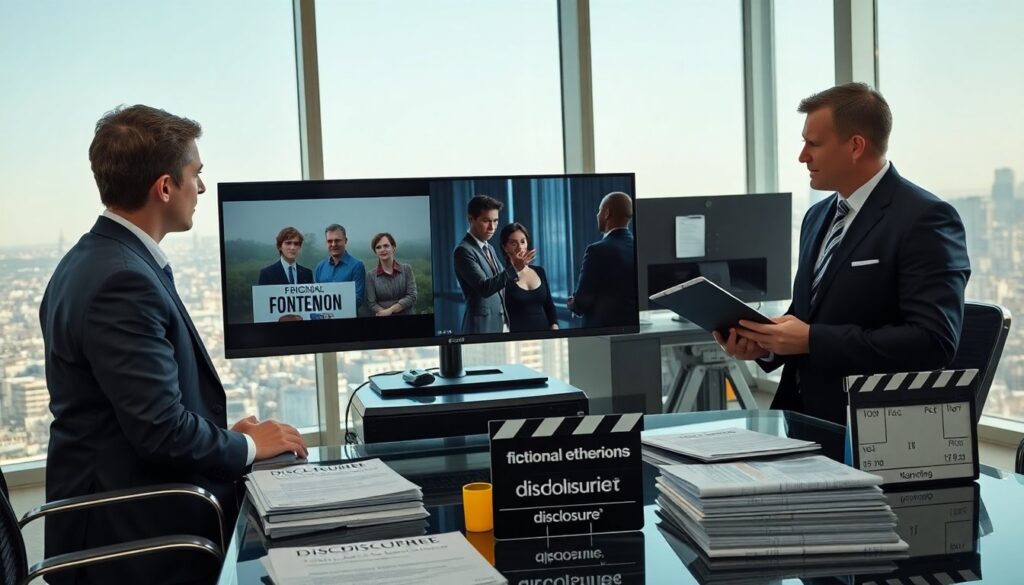
The evolving cinematic documentaries fictional etherions blurred phrase names a trend in film practice. Filmmakers mix footage and staged scenes to shape feeling and argument. The audience questions what is factual and what is created. Critics measure intent, disclosure, and impact. The debate shapes festival programming, streaming releases, and industry standards.
Key Takeaways
- The evolving cinematic documentaries fictional etherions blurred trend refers to blending factual documentary footage with fictional elements to enhance storytelling and emotional impact.
- Filmmakers use techniques like staged reenactments, composite characters, and cinematic framing to blur lines between fact and fiction, aiming to increase engagement and character insight.
- Ethical concerns arise when fictional etherions are not clearly disclosed, potentially misleading audiences and affecting reputations, legal outcomes, and public trust.
- Disclosing fictional elements through on-screen notes, press statements, or festival catalogs helps maintain transparency and viewer trust while preserving creative freedom.
- Industry and educational bodies recommend teaching media literacy and developing clear labeling systems to balance artistic goals with ethical documentary standards.
- The debate around fictional etherions influences festival programming, funding decisions, and the evolving standards by which documentary films are judged and trusted.
Defining Cinematic Documentaries And The Concept Of Etherions
Cinematic documentaries use film craft from fiction cinema. Directors apply scripted scenes, dramatic lighting, and composed shots to factual material. This method aims to increase engagement and character insight. The term etherions describes fictional elements that inhabit documentary space. Etherions appear as reenactments, composite characters, or invented dialogue that fill gaps in reporting. Filmmakers introduce etherions to compress time, clarify motive, or preserve privacy. Audiences receive etherions as textures that change tone and memory. Critics ask whether filmmakers disclose these choices. Festivals and platforms vary in disclosure rules. The evolving cinematic documentaries fictional etherions blurred pattern forces festivals to update guidelines and viewers to adjust trust. The term helps critics name a practice that once lacked clear vocabulary. Producers debate whether etherions serve truth by revealing emotional truth or harm truth by altering facts. Legal counsel sometimes reviews projects that use etherions when subjects might claim misrepresentation. Funders ask for disclosure plans before they back projects that mix archival footage with created scenes. Educators use the term to teach media literacy in film and journalism classes. The evolving cinematic documentaries fictional etherions blurred phrase helps researchers track how often films blend fact and fabrication.
Techniques Filmmakers Use To Blur Fact And Fiction
Directors use several clear techniques to blur fact and fiction. They stage reenactments with actors and label them subtly or not at all. They craft composite characters from multiple real people to protect identity or streamline narrative. They record improvised scenes with nonactors and treat the footage as documentary truth. They insert scripted voiceover that frames subjective interpretation as factual context. Editors splice archival footage with new material to shape cause and effect. Cinematographers apply cinematic framing and color grading to heighten drama. Sound designers add ambient layers or musical cues that guide emotion. Filmmakers also use digital effects to reconstruct events or to create imagined sequences that represent perception. Producers sometimes present these moves as creative nonfiction. Other times they omit explanation to preserve surprise or rhetorical force. The result is that viewers feel the film as true even when details shift.
Filmmakers justify these techniques as tools for clarity and empathy. Critics counter that the techniques can mislead. Some films that blurred boundaries have sparked public debate about ethics and truth. A notable example of a film stirring debate shows how a documentary can shape public policy and opinion when it mixes staged elements and reportage. The influence of high-profile documentary projects led to renewed conversation about craft and disclosure, similar to debates in sports media about voice and perspective found in reporting. One article traced how media shifted toward a more subjective voice to connect with audiences, which parallels how filmmakers craft immersive factual stories sports reporting shift. The evolving cinematic documentaries fictional etherions blurred pattern shows how a technique can become a genre feature.
Ethical And Audience Implications Of Blurred Boundaries
Filmmakers must balance art and duty. They owe subjects accuracy and fair representation. They owe audiences clear signals about what is invented. When creators blur lines without disclosure, the audience may update memory and belief on false premises. This harm can affect reputations, legal outcomes, and public policy. Ethical guidelines ask for on-screen notes, press statements, and disclosures in festival catalogs. Audiences react in different ways. Some viewers accept etherions as a valid way to show inner life. Other viewers distrust the whole project when they learn creators used invented scenes. Distributors worry about backlash and liability. They may ask for legal releases when scenes re-create private events.
Critics also note power imbalances. Filmmakers decide which facts to compress and which to invent. This decision shapes public understanding. Educators recommend teaching viewers to check sources, read film notes, and compare reporting. Journalists argue that documentary filmmakers who borrow reporting methods should follow journalism ethics for attribution and verification. Film schools now teach a module on disclosure practices and safe use of composite characters. Industry bodies consider labeling systems that flag fictionalized material. The evolving cinematic documentaries fictional etherions blurred trend pushes the field to make choices that respect truth and craft. Filmmakers who share clear disclosure practices can keep creative tools while reducing harm.
Filmmakers, critics, and platforms will continue to negotiate standards. The outcome will shape how audiences trust documentary films in the years ahead. A landmark sports documentary that used staged elements helped prompt these conversations by showing how a film can change public debate while raising questions about method impact example.