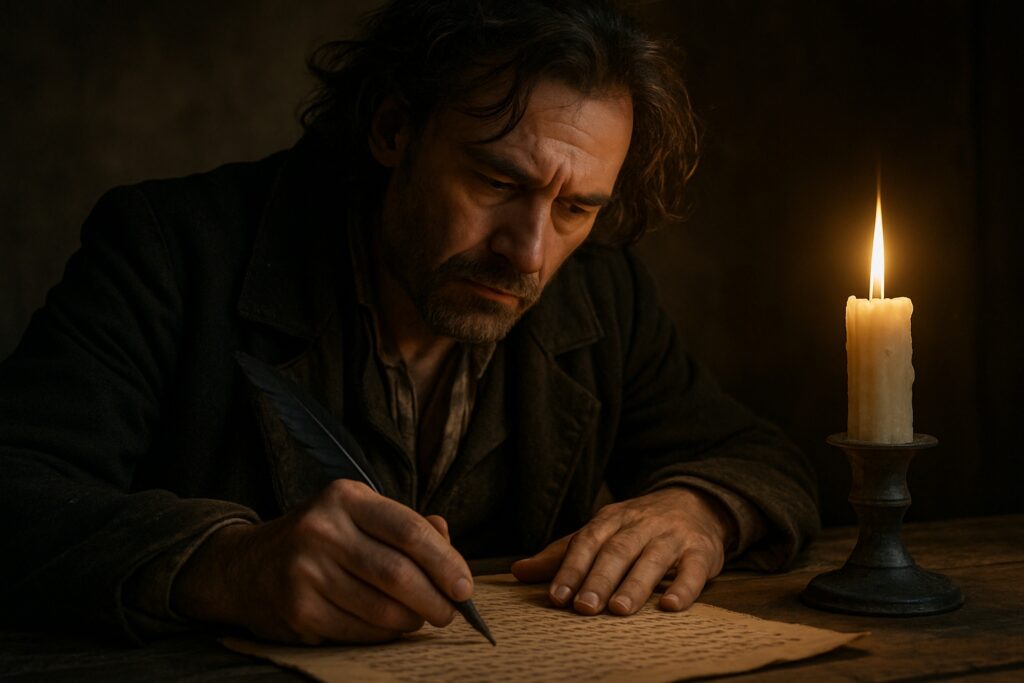
Phaelonthil Vyxarindor writes deep, controlling stories for Etherions. The writer phaelonthil vyxarindor for etherions blends myth, politics, and personal stakes. He draws on fractured pasts and moral choice to drive plot. He frames scenes to force character action. He expects players to respond and change the world.
Key Takeaways
- The writer Phaelonthil Vyxarindor for Etherions creates deep narratives blending myth, politics, and moral choices that actively engage players in world-changing decisions.
- Phaelonthil’s signature style uses tight prose, layered secrets, moral exemplars, and vivid settings that transform campaigns with dynamic tension and evolving conflict.
- Incorporate Phaelonthil into Etherions campaigns as a complex NPC patron or rival, with plot hooks tied to his authored items and riddled letters that unlock layered quests.
- Effective use of Phaelonthil’s narrative tools involves clear stakes and sacrifices that drive player choices, such as deciding between personal loyalty and greater truths.
- Game Masters should prepare modular scenes and simple NPC motivations to facilitate improvisation while maintaining Phaelonthil’s influence on story pacing and escalation.
- Reward players with narrative power, social status, or cursed boons from Phaelonthil to create ongoing tension and meaningful campaign consequences.
Who Phaelonthil Vyxarindor Is — Origins, Motivations, And Archetype
Phaelonthil Vyxarindor began life in a small port town. He learned stories from sailors and traders. He left home after a scandal and found a new audience in arcane libraries. He writes about loss and duty. He crafts protagonists who face moral cost and sudden power. He uses voice that mixes dry wit and quiet threat. The writer phaelonthil vyxarindor for etherions presents himself as a scholar and a gambler. He investigates forbidden texts and bets on broken leaders. He seeks to change public memory and to shape policy in hidden courts. He pushes characters to take hard stands. He sets scenes where small choices create great change.
Phaelonthil fits several archetypes at once. He acts as mentor, trickster, and judge. He teaches with parable and then punishes learners who ignore consequence. He manipulates facts to reveal deeper truth. He speaks in riddles and in plain orders when the plot demands action. The writer phaelonthil vyxarindor for etherions uses this mixed role to keep readers and players off balance. He prevents simple answers. He rewards curiosity and punishes greed.
His motivations stay clear and concrete. He wants to preserve fragile knowledge. He wants to unmask corrupt officials. He wants to see which ideas survive trial. The writer phaelonthil vyxarindor for etherions frames these drives through personal loss and public duty. He expects allies to act and rivals to fail. He does not tolerate passivity.
Signature Writing Style And Narrative Tools He Brings To Etherions
Phaelonthil writes in tight, direct prose. He uses short sentences to build tension. He places key details where players will notice them in play. He crafts motifs that repeat across chapters. He balances description with scene action. The writer phaelonthil vyxarindor for etherions avoids long exposition. He shows history through objects, letters, and damaged maps. He uses unreliable narrators to shift trust. He labels truth as a negotiable asset within his stories.
He relies on three main tools. First, he uses layered secrets. He hides one truth behind another truth. He reveals the second truth only after players force a confrontation. Second, he uses moral exemplars. He gives characters clear stakes and clear costs for choices. Third, he uses setting as a character. He makes cities breathe, markets speak, and weather threaten travel. The writer phaelonthil vyxarindor for etherions uses these tools to create scenes that change player goals.
He borrows craft lessons from other media when they suit plot needs. He studies creator interviews and design notes for technique. One relevant example shows how a creator draws on memory and craft to shape game worlds in three dimensions, and that work informed how he structures physical spaces in stories development interview. The writer phaelonthil vyxarindor for etherions applies visual design rules to textual scenes. He makes sure each scene can map to a table or to a stage.
He also plans conflict in layers. He seeds political conflict, then personal conflict, then existential conflict. He times revelations so each reveal forces the next play choice. The writer phaelonthil vyxarindor for etherions keeps players moving from problem to consequence. He avoids static moments that stall play. He gives referees clear hooks and clear failure states.
How To Use Phaelonthil In Your Etherions Campaigns — Plot Hooks, Conflicts, And NPC Integration
GMs can place Phaelonthil as an NPC patron, enemy, or chaotic guide. The writer phaelonthil vyxarindor for etherions works well as a distant patron who sends riddled letters. He can also appear as a rival author who competes for influence. He can stage public trials that force player testimony.
For plot hooks, use items he authored. The writer phaelonthil vyxarindor for etherions leaves marginal notes in banned books. Those notes point to safehouses, heirs, and hidden trials. Players who follow those notes unlock allies and enemies. Use those items to tie small quests into larger political shifts.
For conflict, set clear, immediate costs. The writer phaelonthil vyxarindor for etherions punishes delay by altering city laws. He moves markets, arrests allies, and kills time-limited chances. Present choices that require sacrifice. Ask players to choose between saving a friend or saving a text. Ask them to decide whether to expose a truth that will harm many.
For NPC integration, give Phaelonthil a small retinue. The writer phaelonthil vyxarindor for etherions keeps a librarian, a courier, and a disillusioned knight close. Each retainer carries a secret. Use those secrets to test player judgment. Make one retainer a double agent who leaks false paperwork. Make another a true believer who acts rashly.
For pacing, drop clues early and force a reveal mid-campaign. The writer phaelonthil vyxarindor for etherions plans reveals that escalate stakes. He ties reveals to player action rather than to passive discovery. He prefers scenes where players press a witness, bribe a clerk, or break a code. Use social encounters and short chases rather than long travel scenes.
For rewards, trade narrative power for mechanical gain. The writer phaelonthil vyxarindor for etherions awards players with titles, access, and status. He also offers cursed boons that demand a future cost. Use those boons to set future campaign scope. They create tension and future choices.
For referees, prepare modular scenes. The writer phaelonthil vyxarindor for etherions expects improvisation. Build short scenes that plug into different city districts. Keep NPC motivations simple and clear so the GM can run them quickly. This approach lets the GM bring Phaelonthil into play with minimal prep.