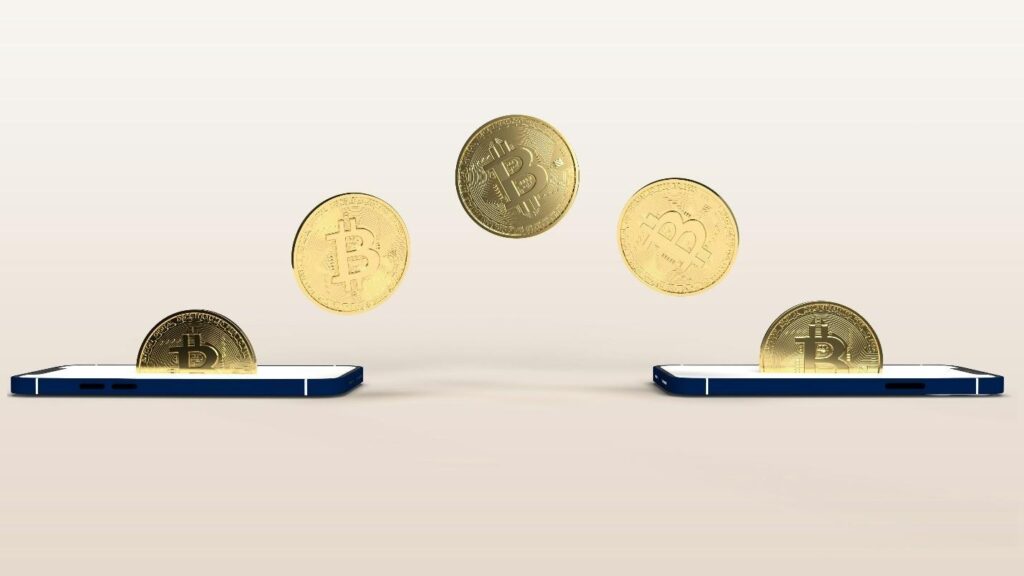
Bitcoin (BTC) has opened the door to numerous opportunities that people can now capitalize on. Bitcoin is the first digital currency ever developed. Initially, Bitcoin held little value, but its worth has changed significantly over the years, as it has soared. As a result of this, there have become several ways to add Bitcoin to your portfolio. The most popular approach is to buy it from crypto exchanges, after identifying the optimal market moment for this strategy.
However, to offer even more accessibility to people and help each individual find the best solution for their own cryptocurrency journey, various solutions for owning Bitcoin have been developed. BTC futures are a great example of this kind, where you can speculate on the value of Bitcoin in the future. The principle behind this approach is quite simple, and you can be either correct or wrong with your proposal. The outcome of this will have a say on whether you win or lose in this agreement. With this approach, people can take advantage of market volatility and speculate on BTC movements without the need to actually own these digital coins.
In this article, we will discover more information about Bitcoin and Bitcoin futures, so keep reading to find which one is the best solution for you.
Owning and trading Bitcoin
Owning and trading Bitcoin is one of the most popular approaches to using Bitcoin. The launch of Bitcoin has opened the door to many innovative concepts and notions that weren’t present in the past. Bitcoin is a decentralized asset, meaning it operates independently of a central authority, such as a government or central bank. This eliminates the need for intermediaries and provides an alternative for individuals to hold fiat money.
In this way, people from all over the world can send and receive money without needing to go through the often overwhelming process of traditional transactions with fiat money. Over the years, the value of Bitcoin has fluctuated significantly, prompting people to seek solutions to capitalize on these price movements. The best conclusion they have reached is to trade Bitcoin. Bitcoin trading is the process in which individuals buy BTC coins from a cryptocurrency exchange. From there, they can sell the coin when the price increases or use it as a store of value to capitalize on any potential appreciation in value.
The advantages and disadvantages of trading Bitcoin
Trading Bitcoin brings its own set of advantages and disadvantages, and it is a great idea to take a look at both of them to make the best solution for yourself and see whether this approach is suitable for you.
The advantages of trading Bitcoin:
- Ownership: Ownership over Bitcoin is the most important advantage when trading Bitcoin directly. BTC is the largest digital coin at the moment, with a capped supply, which is why many investors want to own it and take advantage of the potential increase in value.
- Potential price increase: As mentioned above, Bitcoin has a capped supply of 21 million tokens, which adds scarcity and can also increase the price of this digital coin. People want to have something that will no longer be available in the future, which makes them even more interested in this digital coin. This occurs even more when considering all the advantages that Bitcoin has over fiat money.
- Decentralization: Another key feature of Bitcoin is its decentralization, which empowers users by placing power in their hands.
The disadvantages of trading Bitcoin:
Bitcoin also has its own set of disadvantages, such as:
- Volatility: Bitcoin is a highly volatile asset, meaning its value can change significantly in a short period.
- Lack of a clear regulatory framework: Unfortunately, Bitcoin lacks a clear regulatory framework, which may deter people from investing in it.
Considering Bitcoin futures
Bitcoin futures operate through derivative contracts, which are conducted between a buyer and a seller. You don’t actually need to hold Bitcoin tokens to be able to use Bitcoin futures, as you can just speculate on the price movement. How Bitcoin behaves will impact whether you win or lose on these contract agreements.
What are the advantages and disadvantages of Bitcoin futures?
The advantages of Bitcoin futures
- Great accessibility: Bitcoin futures provide increased accessibility to Bitcoin, particularly since its value has risen significantly in recent years. So, Bitcoin futures are suitable for those who don’t have a large amount of capital.
- Hedge against price volatility: Trading Bitcoin directly means that you need to deal with the volatility of this coin. Instead, with the help of Bitcoin futures, you can have a hedge against this price volatility and better protect your digital assets.
- The ease of use: In Bitcoin futures, people won’t need to worry about the best way to store their assets, which is great, as failing to store their digital coins safely risks losing them.
The disadvantages of Bitcoin futures
- Leverage risks: The leverage advantage present in the crypto space can also lead to significant losses, which can greatly negatively impact your experience with Bitcoin.
- Complexity: Bitcoin futures are not suitable for beginners, as they require a grasp of important concepts about the crypto space and learning the best ways to minimize losses; otherwise, individuals may incur significant losses.
- Not owning Bitcoin directly: Another significant disadvantage of Bitcoin is not owning BTC coins directly, which means they can miss out on essential opportunities that others can take advantage of.
Last remarks
Bitcoin is the largest digital currency by market capitalization, and as a result, people have considered numerous ways to trade and utilize this digital currency. Trading Bitcoin directly and Bitcoin futures are two of the most popular ways in which you can use BTC.
Even though access to Bitcoin markets can bring many opportunities, you need to really understand this market, as otherwise, you can experience a lot of losses, which can impact your overall experience in the crypto realm.