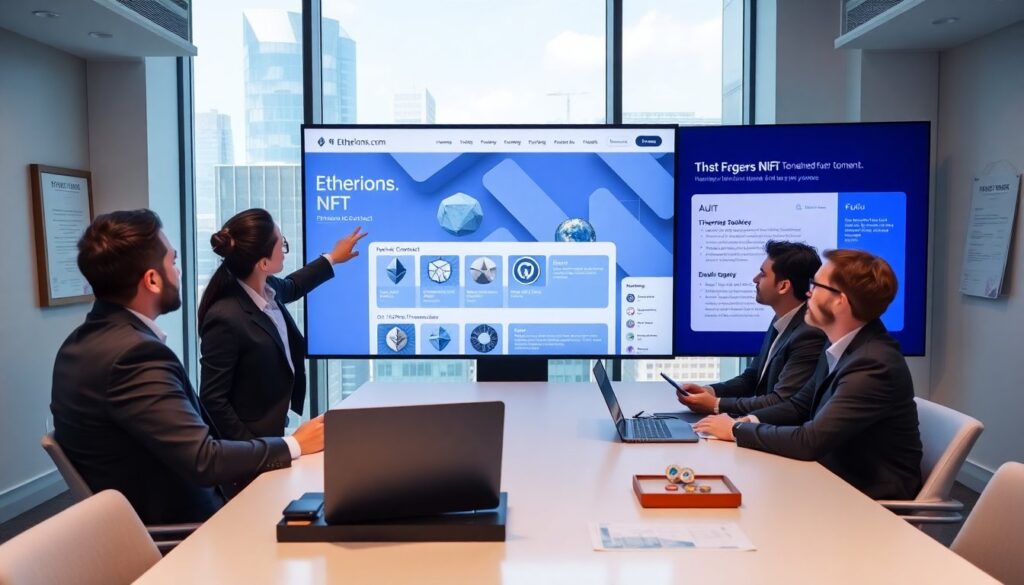
Etherions.com NFT appears as a focused digital collectible project in 2026. The site lists the collection, mint details, and community notes. The guide explains what Etherions.com NFT means, why collectors care now, and how buyers start. The piece stays direct and practical for new buyers and curious collectors.
Key Takeaways
- Etherions.com NFT offers a carefully curated digital collectible collection with fixed supply and staged drops, emphasizing art and smart contracts on Ethereum-compatible chains.
- The project roadmap includes milestones like mint completion, staking rewards, community events, and limited-access drops to enhance utility and holder engagement.
- Buyers should verify contract addresses, review independent audits, and use official marketplace links to ensure secure and authentic Etherions.com NFT transactions.
- Community involvement is encouraged through fan art, discussions, and proposals, fostering steady growth and transparent communication on supply and roadmaps.
- Staking Etherions.com NFTs provides rewards and access to exclusive mints, supporting long-term participation and value retention for collectors.
- Safe storage practices such as hardware wallets, two-factor authentication, and offline private key backups are essential to protect Etherions.com NFT assets.
What Etherions.com Is, Its NFT Collection, And Project Fundamentals
What Etherions.com NFT offers sits at the intersection of art and smart contracts. The team posts collection drops on the site. It mints token metadata on Ethereum-compatible chains. Collectors view traits, rarity, and provenance on the project page. The project plans a fixed supply and staged drops. The smart contract enforces ownership and transfer rules. The creators list royalty settings for secondary sales. The art style mixes sci-fi motifs with simple geometric designs. The community shares fan art in public channels. The roadmap page lists utility elements such as staking and limited-access drops. The token IDs link to on-chain records and public explorers. Buyers verify contract addresses before they buy. The smart contract address appears on the official site and on verified marketplaces. The core team posts regular updates and publishes developer addresses. The collection proves rarity through trait counts and token mint order. The project sets a cap to preserve scarcity. The site offers a FAQ that explains mint mechanics and gas expectations. The FAQ warns about common scams and verifies official social handles. The Etherions.com NFT brand uses a concise visual language and fixed color palette. Buyers can preview editions and check sample metadata before minting. The team invites independent audits for the contract. The audit reports show the contract behavior and known issues. The community acknowledges the audit in discussion threads. Collectors value the audit for trust. The project uses moderate initial pricing to attract early collectors. The pricing strategy ties to supply, perceived demand, and roadmap milestones. New users can compare listed floor prices across marketplaces. The comparison helps set expectations for immediate resale potential. The Etherions.com NFT name appears consistently on the project site and listings to reduce confusion.
Roadmap, Utility, Community, And Market Positioning
The roadmap lists milestones that the team expects to deliver. The first milestone covers mint completion and marketplace listings. The second milestone covers in-token utility such as staking rewards. The third milestone lists community events and limited access drops. The team ties each milestone to dates and KPIs. The project uses utility to create repeat engagement. Staked tokens earn reward points and access to gated mints. Holders also receive vote rights for select project decisions. The project positions itself in mid-tier collectible markets where art matters and utility adds value. The team compares the offering against similar art-led drops and utility-first projects. The community forms across chat platforms and social feeds. Moderators post verified updates and moderate scams. The project encourages holders to propose partnerships and merch ideas. The market sees Etherions.com NFT as a newer entrant with clear visual identity. The team focuses on steady growth rather than hype spikes. The team highlights mainstream signs that crypto and collectibles reach broader audiences. For example, traditional venues accept crypto sponsorships and naming deals, which shows mainstream interest in crypto assets and brand deals. The renaming announcement of a major arena illustrates that brands use crypto names in public spaces and sports marketing. The project cites such shifts when it explains its market positioning. The team tracks secondary market activity to adjust roadmap priorities. The project monitors floor price, trade volume, and whale activity. The data helps the team decide when to add mint phases or utility drops. The community uses simple dashboards and marketplace feeds to watch price action. The team keeps communication transparent about supply changes and policy updates.
How To Evaluate, Buy, And Safely Store Etherions.com NFTs
A buyer evaluates Etherions.com NFT by checking the contract, team, and on-chain history. The buyer confirms the contract address on the official site and on a public explorer. The buyer looks for an independent audit and developer history. The buyer reads community channels and checks moderator statements. The buyer inspects art quality, rarity distribution, and past sale prices. The buyer reviews staking terms and utility clarity. The buyer avoids offers that pressure immediate purchases or promise guaranteed returns. The buyer uses a hardware wallet for long-term storage. The buyer uses hot wallets only for short-term trading. The buyer sets up two-factor authentication where possible. The buyer keeps private keys offline and in secure backups. The buyer transfers tokens only after verifying recipient addresses twice. The buyer confirms gas estimates before signing mint transactions. The buyer uses official marketplace links from the project page. The buyer cross-checks listings on secondary marketplaces to spot copycat collections. The buyer considers floor price trends and average sale prices before bidding. The buyer sets a budget and never uses funds needed for living expenses. The buyer treats NFTs as speculative assets with variable liquidity. The buyer diversifies holdings and keeps records for tax reporting. The buyer monitors royalty rules and marketplace fees that affect resale proceeds. The buyer uses multi-sig setups for team-held treasury assets. The buyer treats seed phrases as the single point of failure and stores them in secure places. The buyer asks community members for references and past trade experiences when unsure. The buyer reports suspicious accounts to moderators. The buyer stays updated on roadmap deliveries and utility rollouts to protect value.