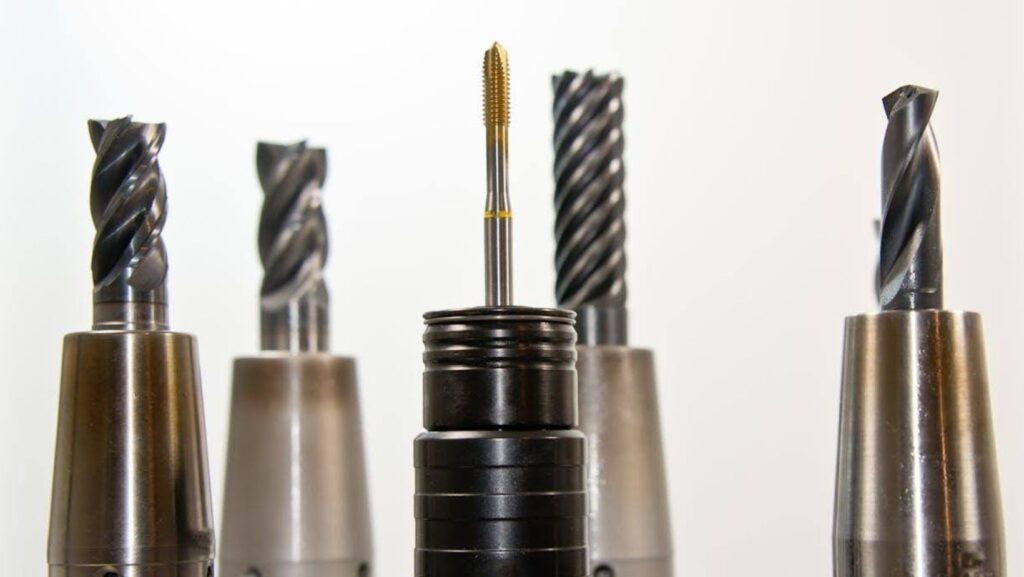
We have all experienced that moment of panic. You are in the middle of a project, pushing your tool into a solid surface, when suddenly the motor starts to whine. A smell of burning electronics fills the air, and smoke wafts up from the vents. Just like that, your trusty power tool is done for the day.
Drilling through tough substances like concrete, thick metal, or masonry puts immense stress on your equipment. If you treat these dense materials the same way you treat soft pine, you will destroy your motor in seconds.
You can avoid this frustration and expense with the right preparation. Preserving your tools while getting the job done is entirely possible. It requires patience and a few adjustments to your technique.
Know What You Are Drilling Into
Before you even touch the trigger, take a moment to assess exactly what you are up against. Different substances resist penetration in unique ways. Wood fibers separate easily, but steel and stone resist cutting forces with high density.
If you underestimate the hardness of the surface, you might apply too much force or use the wrong settings, which causes the motor to stall and overheat. High-quality tools like Makita drills from Sydney Tools are built to handle these variations, but even the best gear needs to be used correctly to last.
Respect the density of the material to help you decide how much power is actually necessary. This simple pause for assessment prevents you from overloading the motor before the work even begins.
Pick the Correct Bit for the Job
Your choice of accessory makes a massive difference in how hard the motor has to work. You cannot use a standard general-purpose bit on hardened steel and expect it to survive. It will dull immediately, creating friction instead of cutting.
Once the cutting edge is gone, you naturally push harder to compensate, which forces the motor to draw more amps and heat up. For masonry, you need carbide-tipped options designed to pulverize rock. For metal, cobalt or black oxide bits are better suited to withstand the heat.
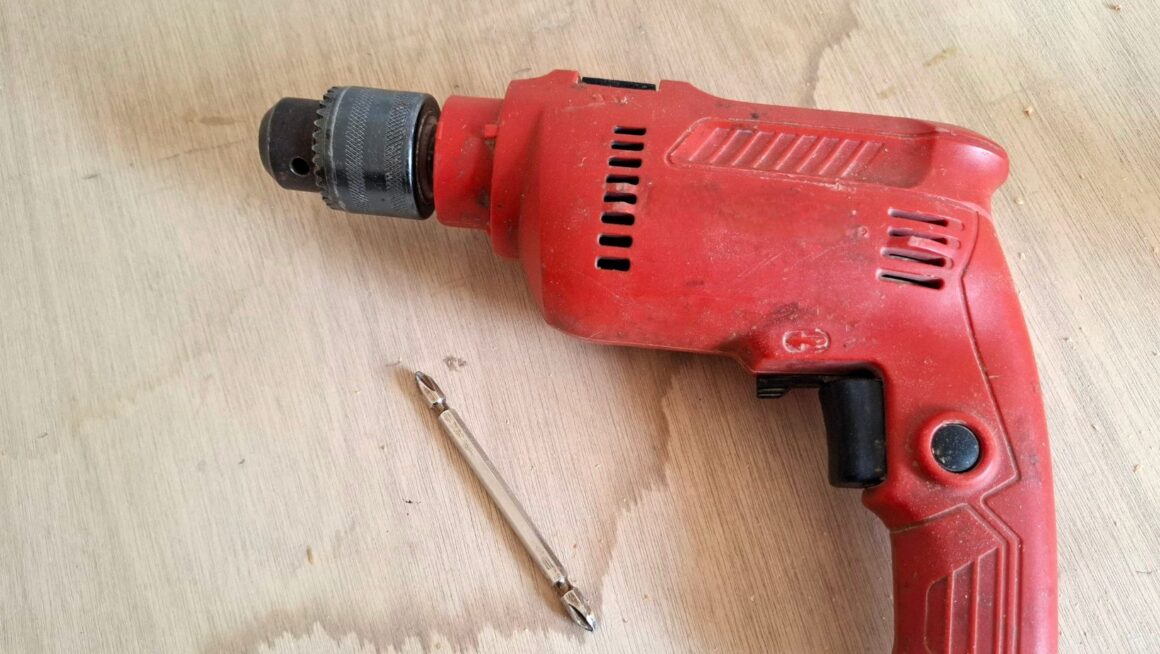
Matching the material of the bit to the material of the project ensures the cutting edge does the work, not the motor windings.
Find the Sweet Spot for Speed and Pressure
There is a common misconception that faster is always better. When dealing with hard substances, excessive speed creates friction, and friction creates heat. Slowing down often cuts faster because the bit has time to bite into the surface rather than just spinning uselessly on top of it.
Apply steady, firm pressure, but let the tool do the work. If you have to lean your entire body weight into it, something is wrong. Listen to the sound of the machine. If the RPMs drop significantly or the pitch changes to a low groan, ease off immediately.
Manage Heat with Lubrication
Heat is the enemy of both your bit and your motor. As you drill, temperatures spike rapidly at the contact point. This heat transfers up the shaft and into the chuck, eventually reaching the internal components.
Keep things manageable by using a lubricant or cutting oil when working with metal. This reduces friction and flushes away hot chips. For masonry, water works well to keep dust down and temperatures low. Dip the tip in water every few seconds if you are drilling dry.
Keeping the temperature down preserves the temper of the metal and prevents the motor from overheating due to excessive resistance.