

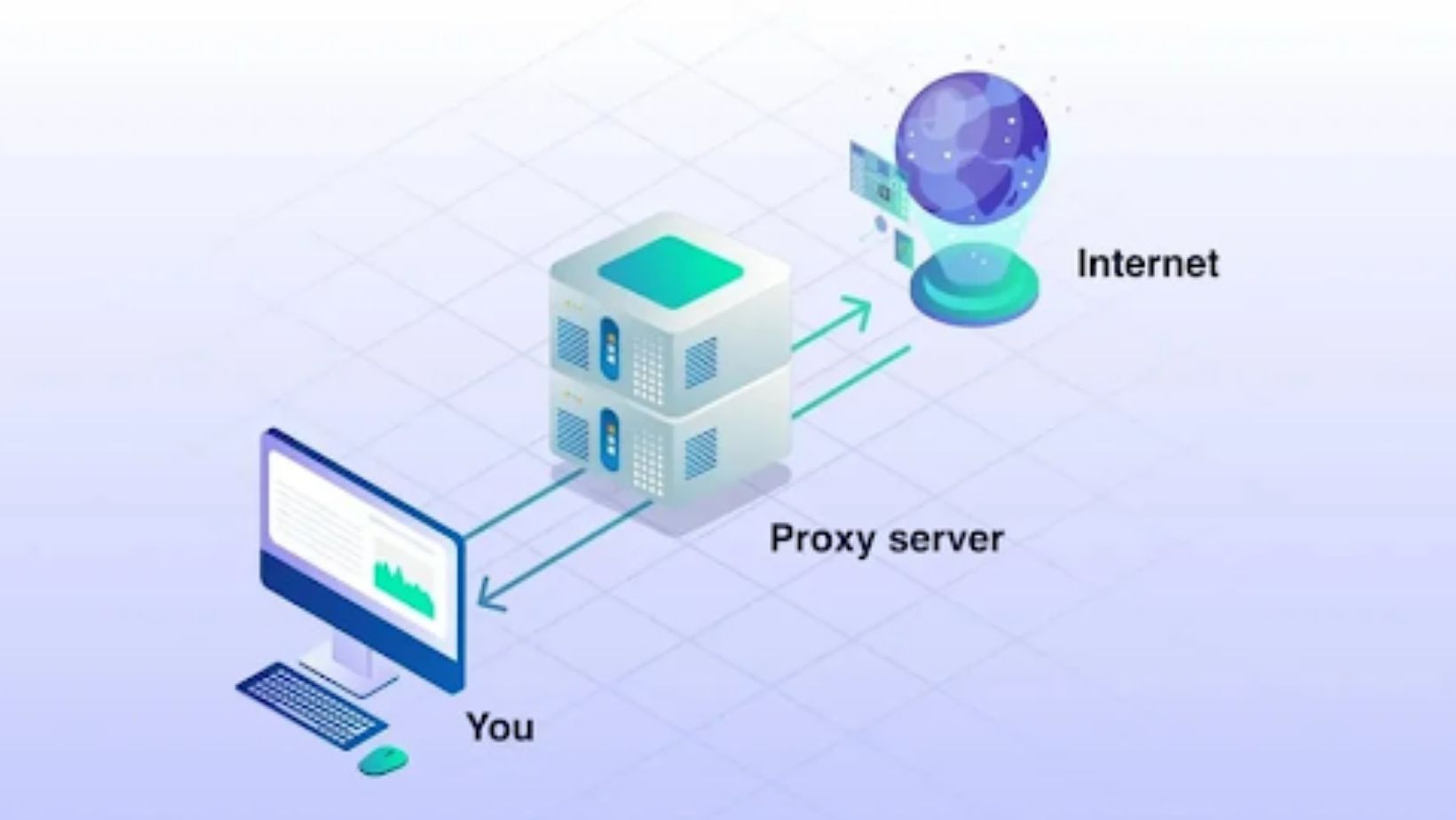
Modern proxy services are no longer limited to narrow technical teams or large corporate stacks. A platform like Insocks gives individual users, marketers, analysts, developers, and companies a way to rent IP addresses with more control over protocol, geography, and network type. This article explains how the service works, what kinds of proxies it offers, how pricing is formed, and how to choose the right option for a real task. It also breaks down the practical differences between mobile, residential, and datacenter IPs, so the selection process becomes clearer instead of more confusing. The goal is to show how a flexible per IP model can fit both simple and advanced online operations.
What makes this service different
A proxy platform becomes useful only when it combines technical range with a buying model that is easy to manage. INSOCKS stands out because it focuses on direct parameter control instead of pushing users into standard bundles. That matters for anyone who wants precise IP selection rather than a generic package.
Practical protocol coverage
The service is built around SOCKS5 and HTTPS proxies, which covers a broad range of modern use cases. SOCKS5 is valuable when applications need flexible traffic forwarding and strong compatibility with tools that rely on raw connections, automation frameworks, or software that handles multiple network requests at once. HTTPS proxies are often chosen for browser based work, protected sessions, and tasks where standard secure web access matters most. By specializing in these two formats, the platform keeps its core offer clear and technically relevant instead of spreading across too many half supported connection types.
Flexible rental by individual IP
One of the strongest features is the ability to buy proxies by individual IP instead of being forced into fixed plans. That model is useful when only a small number of addresses is needed for testing, for short campaigns, or for temporary access to region specific resources. It also helps advanced users who want to combine several IP types in one workflow without overpaying for unused inventory. Since rental is usually provided for twenty four hours with possible auto renewal, planning becomes simple and predictable.
Search tools that reduce wasted time
The interface is designed around filtering and practical selection. Users can search by proxy type, protocol, country, city, provider, and other parameters, which makes the process more targeted than scrolling through random inventory. That is especially important when a task depends on network origin, provider reputation, or a narrow location. Instead of guessing which IP might work, the user starts with clearer filters and a shorter path to deployment.
Proxy categories for different workloads
Not all proxy types behave the same way, and using the wrong category can create avoidable problems. INSOCKS offers several formats because different online tasks demand different trust signals, speeds, and rotation patterns.
| Proxy type | Typical source | Main strength | Common use pattern |
| Mobile LTE | Mobile carrier networks | Strong trust profile and dynamic behavior | Social platforms, app flows, location sensitive tasks |
| Residential | Home user connections | Natural looking browsing origin | Web research, account work, regional content access |
| Datacenter | Server based infrastructure | Fast response and scale | Bulk requests, scraping, testing, automation |
| Private VPN setup | Dedicated configured tunnel | Stable private routing | Team access, internal use, controlled secure connections |
Mobile LTE for dynamic trust signals
Mobile proxies route traffic through carrier networks, which often gives them a different trust profile than server based IPs. They are commonly selected for tasks where platforms react strongly to network reputation, sudden session changes, or repetitive access from the same visible source. Because mobile IPs can appear more natural in certain environments, they are often useful for social media workflows, mobile first applications, and region aware checks. That does not make them universal, but it does make them valuable when adaptability matters more than raw speed.
How to choose and launch a proxy
Selecting a proxy becomes much easier when the decision is broken into simple operational steps. This section works as a compact guide for first time users and as a quick reset for experienced buyers. The aim is not just to buy an IP, but to match the IP with the real target environment.
Step one define the task and traffic pattern
The first step is to identify what the proxy will actually do. A user opening a local website, checking regional content, or managing a small number of sessions needs a different setup from a user running automation, collecting structured data, or testing network routing. The volume of requests, the sensitivity of the target platform, and the expected session length all influence the right choice. Without this step, even a technically good IP can be badly matched to the task.
Step two select geography and provider
Once the task is clear, geography becomes the next filter. Some tasks require only a country level location, while others depend on city level placement or even a specific provider. This is where INSOCKS becomes practical, because its filtering system helps narrow the pool before purchase. When access quality depends on region realism, using the right city or provider can matter as much as the proxy type itself.
Step three confirm protocol and software support
Protocol compatibility should be checked before payment, especially when a specific browser tool, automation script, or third party application is involved. SOCKS5 is often more flexible for complex traffic handling, while HTTPS may be easier for standard browser routing and secure web sessions. The safe approach is to confirm what the software accepts and how authentication is expected to work. A simple compatibility check prevents wasted time during setup.
Step four activate test and monitor
The first hours after purchase are the best time to verify that the chosen IP behaves as expected. Performance, connection stability, location match, and target site response should all be tested early. Since the platform allows refunds when a proxy stops working within a short period after purchase, early validation is more than a good habit. It is part of smart operational discipline.
Quick checklist for first deployment
- Match the proxy type to the real task
- Filter by country city provider and protocol
- Test the IP early after activation
- Enable auto renewal only when continuity is needed
Pricing logic and smart buying decisions
The service does not rely on a rigid plan structure, which changes how budgeting works. Instead of paying for a broad package, users pay for specific IPs with characteristics that affect value. That makes the pricing model more flexible, but it also means the buyer should understand which factors actually drive cost.
| Pricing factor | How it affects cost | Why it matters |
| Proxy type | Mobile and premium residential options may cost more | Trust profile and network quality vary |
| Protocol | SOCKS5 or HTTPS can affect the final offer | Some tasks require one format specifically |
| Geography | Popular regions may carry different pricing | Country and city demand influence availability |
| IP reputation | Cleaner IPs may have higher value | Better reputation can improve task success |
| Time added and stock state | Newer or more desirable inventory may differ in price | Inventory quality is not always equal |
Benefits and limits in real use
Every proxy platform has strengths and operational boundaries. INSOCKS offers a useful mix of flexibility, protocol focus, and selection control, but the right expectations still matter. The points below help separate practical advantages from situations where caution is needed.
Clear strengths for everyday work
The strongest side of the service is its directness. Users can choose IPs individually, search with detailed filters, work with major proxy protocols, and even explore private VPN support when a broader routing solution is needed. The no logs traffic policy is also a relevant trust factor for privacy conscious users, provided the service is used within legal and platform rules.
- Per IP buying model instead of forced bundles
- Support for SOCKS5 HTTPS and private VPN setups
- Detailed filtering by location provider and network type
- Refund possibility when a proxy fails quickly after purchase
Situations that require caution
Flexibility is helpful, but it also means the buyer carries more responsibility during selection. A poor match between task and IP category can reduce success rates, and a cheap option is not always the right one for a sensitive target. The acceptable use policy also matters because spam, mass mailing, and illegal activity are prohibited.
- Wrong proxy type can hurt results
- Cheapest IP is not always best for critical tasks
- Policy violations can lead to immediate problems
Privacy rules and support standards
A technical service becomes more trustworthy when its policy and support model are easy to understand. INSOCKS presents itself as a no logs service, which is important for users who care about limiting unnecessary traffic recording. It also backs the service with direct support channels instead of leaving users with only a static help page.
Traffic policy and acceptable use
The platform states that it does not keep traffic logs, which supports a privacy focused positioning. At the same time, the service clearly restricts spam, mass distribution, and unlawful activity. That combination is important because privacy is not the same as permission for abuse. For legitimate research, access routing, testing, and operational work, the policy framework is straightforward and reasonable.
Support channels for faster resolution
Support is available through Telegram and Jabber, which can be useful when a user needs direct communication about setup, activation, or unexpected technical behavior. This matters most during the first purchase or when a region specific requirement does not behave as expected. Fast support cannot replace good planning, but it can shorten downtime and reduce confusion. For users dealing with network tools every day, responsive contact channels are a real operational benefit.
Global inventory with strong coverage in key regions
The available IP pool spans many regions, with particularly strong attention to the United States and Europe. That coverage is relevant for businesses, analysts, and users whose tasks depend on those markets. A broad pool also improves the chance of finding a closer match by geography and provider. In practice, good inventory depth often matters more than flashy marketing claims because it determines whether the right IP can actually be found when needed.