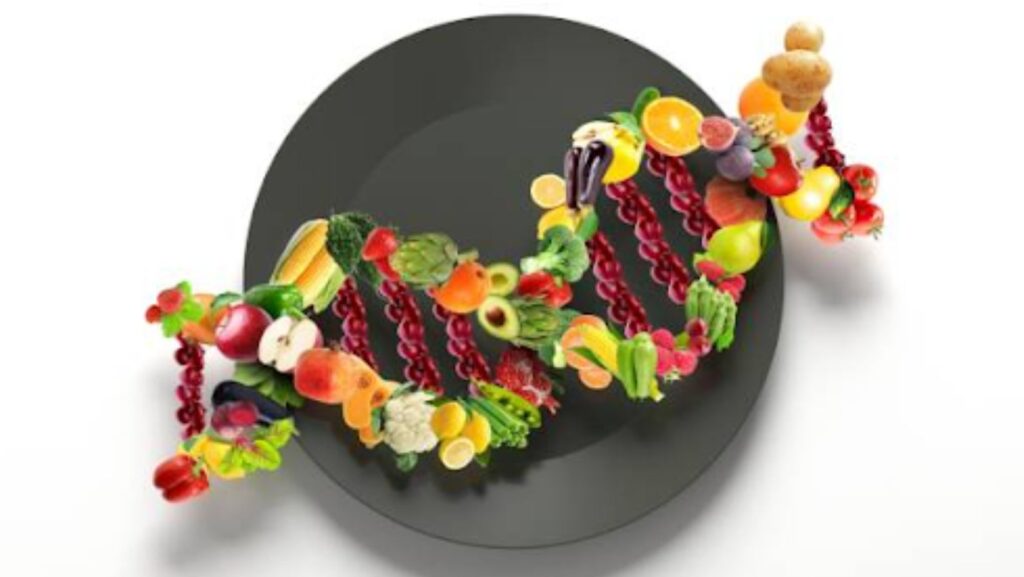
Hormones are controlled by genes, and those genes are strongly influenced by nutrition. Nutritional epigenetics explains how micronutrients can “turn up” or “turn down” hormone-related genes without altering DNA itself. For people experiencing fatigue, weight changes, mood shifts, or age-related hormone decline, this connection matters more than ever.
Understanding Epigenetics and Hormonal Gene Control
Epigenetics refers to chemical tags that regulate gene activity. The most relevant mechanisms for hormone health include:
- DNA methylation – controls whether hormone genes are activated or silenced
- Histone modification – affects how tightly DNA is packaged
- MicroRNA signaling – fine-tunes hormone receptor expression
These processes directly influence estrogen receptors, androgen receptors, thyroid hormone genes, and insulin signaling pathways. Nutrition provides the raw materials on which these systems depend.
Key Micronutrients That Shape Hormonal Gene Expression
B Vitamins (B9 Folate & B12)
Folate and B12 are central to methylation cycles, which regulate estrogen metabolism, testosterone production, and cortisol balance. Inadequate intake can disrupt hormonal signaling and accelerate age-related hormonal decline.
Food sources: leafy greens, legumes, eggs, animal proteins
Vitamin D
Vitamin D functions like a hormone itself. It binds to the vitamin D receptor (VDR), directly influencing gene transcription tied to estrogen, testosterone, and insulin sensitivity.
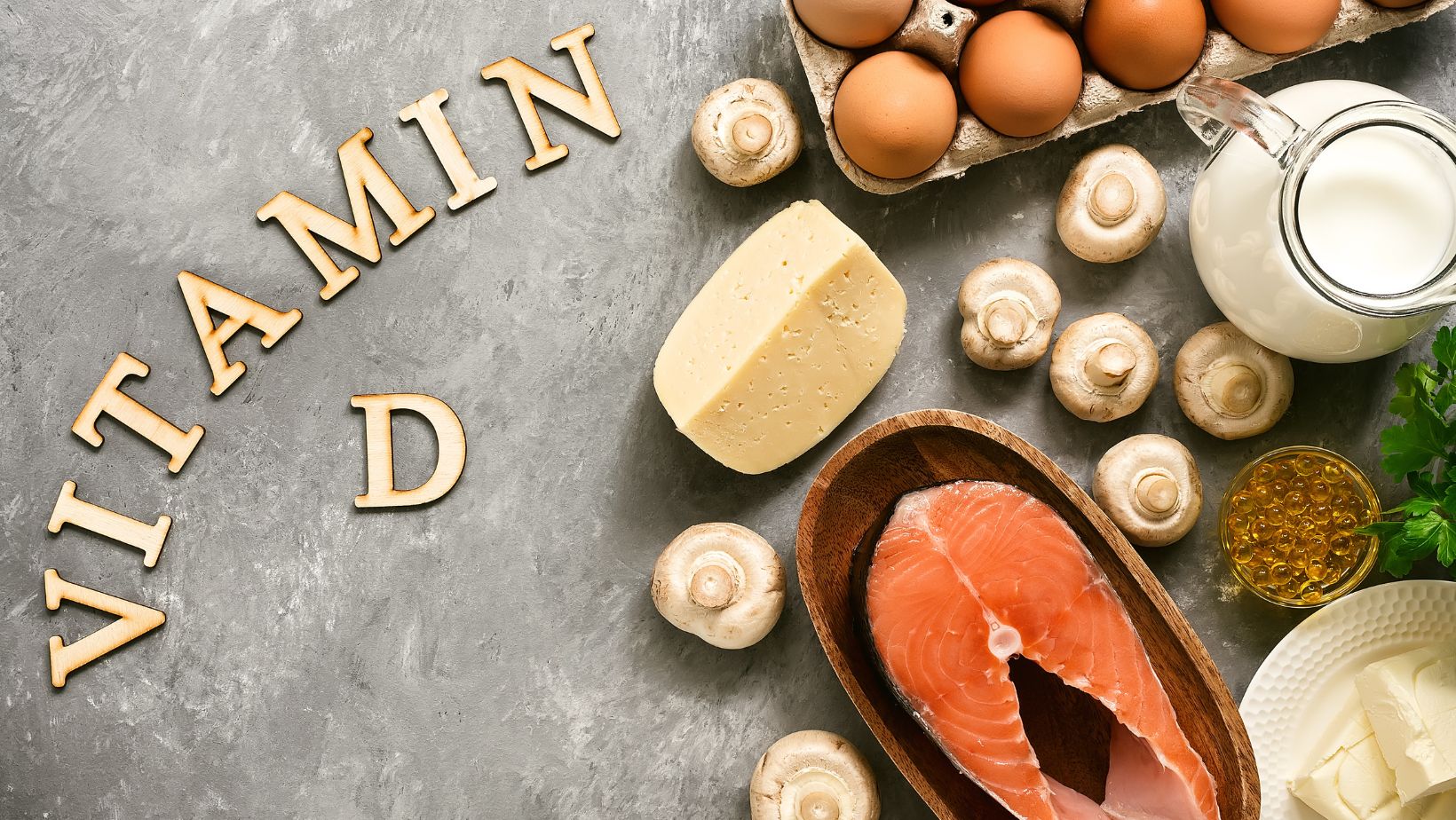
Low vitamin D levels are frequently associated with hormonal imbalances and metabolic dysfunction.
Key role: steroid hormone gene regulation
Zinc
Zinc is essential for DNA transcription enzymes and androgen receptor function. It plays a critical role in testosterone regulation, fertility, and immune-endocrine communication. Zinc deficiency can impair hormone signaling even when hormone levels appear “normal” on laboratory testing.
Food sources: shellfish, seeds, red meat
Magnesium
Magnesium supports over 300 enzymatic reactions, including those involved in epigenetic regulation. It influences insulin signaling, cortisol response, and thyroid hormone conversion. Chronic stress often depletes magnesium, worsening hormonal instability.
Selenium
Selenium is vital for thyroid hormone activation and antioxidant protection of hormone-producing tissues. It supports epigenetic stability by protecting DNA from oxidative stress that can alter gene expression.
Bioactive Compounds and Epigenetic Hormone Modulation
Certain plant compounds also influence epigenetic pathways:
- Polyphenols (resveratrol, EGCG) modify histone acetylation and estrogen signaling
- Sulforaphane (from cruciferous vegetables) inhibits HDAC enzymes, improving hormone-related gene regulation
These compounds don’t replace hormones but can improve how the body responds to them.
Hormone Systems Most Affected by Epigenetic Nutrition
Thyroid Hormones
Iodine, selenium, and iron influence thyroid gene expression and hormone activation. Epigenetic disruption in thyroid genes often presents as fatigue, cold sensitivity, or weight changes.
Sex Hormones (Estrogen & Testosterone)
Micronutrients regulate receptor sensitivity, hormone metabolism, and feedback loops. During menopause or andropause, nutritional support alone may not be sufficient, which is why some individuals explore options like HRT prescription online alongside dietary strategies under medical supervision.
Insulin and Metabolic Hormones
Magnesium and chromium influence insulin gene expression and glucose metabolism, directly impacting weight management and energy levels.
Conclusion
Nutritional epigenetics reveals why hormones respond differently from person to person. By supporting DNA methylation, receptor expression, and hormone metabolism with the right micronutrients, individuals can improve hormonal balance at its biological root, while recognizing when professional medical support is appropriate.