
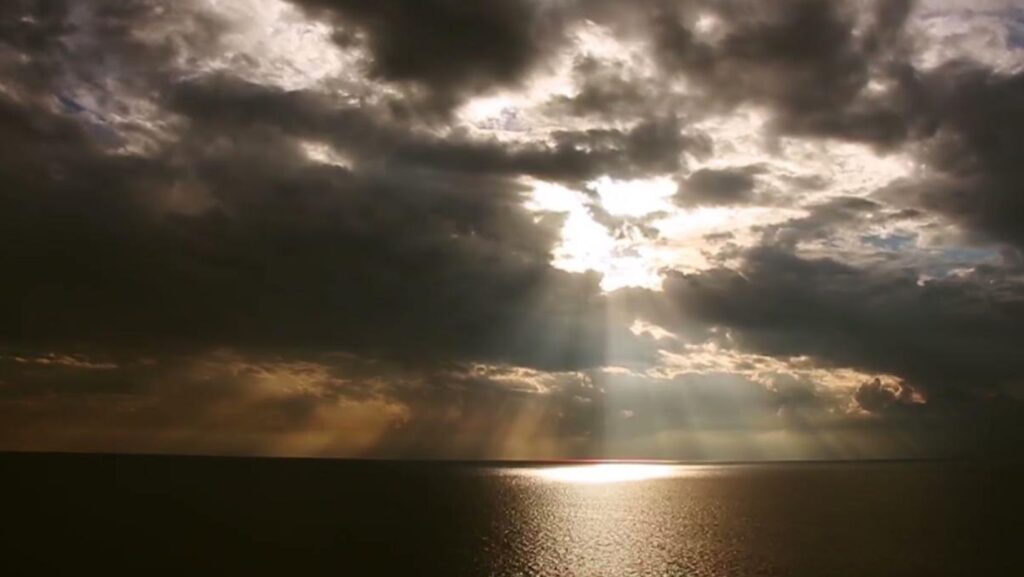
Why Wild Places Still Matter
These days everything happens inside rectangles — phone, laptop, windows, office walls. Days just run together, and even downtime turns into endless scrolling or tab-hopping. Then you go outside and the tempo just changes. Air hits different, sounds are quieter, your thoughts stop racing.
Out there nothing’s in a rush. Clouds move slow across the sky, branches sway without any agenda, birds follow their own schedule instead of yours. Ten minutes outside and your whole system begins matching that calmer beat. Things that felt urgent start losing their edge.
Many people notice that they think more clearly during a quiet walk in a park than at a desk. Even if someone spends hours online – working, studying, or relaxing on platforms like pinco casino – a simple habit of going outside, feeling the wind and seeing real trees or water can act as a reset button. The goal is not to escape modern life, but to give the brain regular contact with something older and more stable than technology.
Forests as Living Systems
Forests are rarely silent. If you stand still for a minute, you hear layers of sound: leaves rubbing against each other, small branches cracking, birds calling from different heights, maybe a distant river. It’s not noise, it’s a kind of natural background music that doesn’t demand your attention, but gently holds it.
How Trees Interact
For a long time, people saw trees as separate, lonely plants. Now we know they are connected in complex ways. A tree in the shade can “receive help” from a stronger neighbor through a network of fungi and roots hidden underground. Nutrients and chemical signals travel between them like messages.
When one tree is under attack by insects, others nearby can start producing defensive substances faster, as if they’ve been warned. It’s not communication in the human sense, but it shows that a forest behaves more like a community than a random collection of trunks.
Forest Time and Human Stress
The woods just slow you down. Path twists, ground’s uneven, roots everywhere—you’re watching your feet the whole time. That focus pulls you right out of your head.
After a day out there, people feel tired but in a good way, not beat. The air’s cooler, light comes through softer, and those smells — wet dirt, pine, old leaves — just work on you. Doesn’t fix your problems, but it’s easier to see what actually matters and what’s just bullshit.
Water as Moving Calm
If forests feel like lungs, water feels like a pulse. Rivers, lakes, and seas all move differently, but they have one thing in common: rhythm. That rhythm is predictable, and the human brain finds comfort in it.
Rivers and Lakes: Places to Pause
Sit beside a river and just watch the surface for a while. The current is never the same from one second to the next, but it also never completely changes. Small swirls form and disappear, reflections of clouds break and reappear. It’s simple, but it’s hard to get bored if you really look.
Lakes and ponds behave differently. They often feel more static, like big mirrors for the sky and nearby trees. Early in the morning, when the water is flat and the air is cool, even a small lake can feel like a hidden world. These calm surfaces invite you to stop for a moment instead of rushing to the next task.
The Sea and the Edge of the World
The sea’s not soft, but it puts things in perspective. You stand there watching waves come and go, and suddenly everything you were stressed about looks tiny compared to that line where water hits the sky. Don’t have to know anything about boats to feel it.
Wave sounds repeat but never exactly match. Lots of folks use ocean sound apps for sleeping, but the real thing has layers of recordings that can’t capture—wind hitting you, gulls overhead, people talking far off, that salty smell mixed with seaweed. An hour by the ocean stretches out differently than an hour staring at screens.
Landscapes of Space: Mountains, Deserts, and Open Fields
Not all nature is green and full of shade. Some of the most striking places are the ones that look almost empty at first glance.
Mountains and Their Quiet Lessons
Mountains have this way of humbling people, in the best sense. Look up at a sharp peak or stand on a ridge high up, and suddenly you can’t pretend you’re running the show. Weather changes on a dime, trails kick your ass, and each step uphill hammers home that effort has real cost.
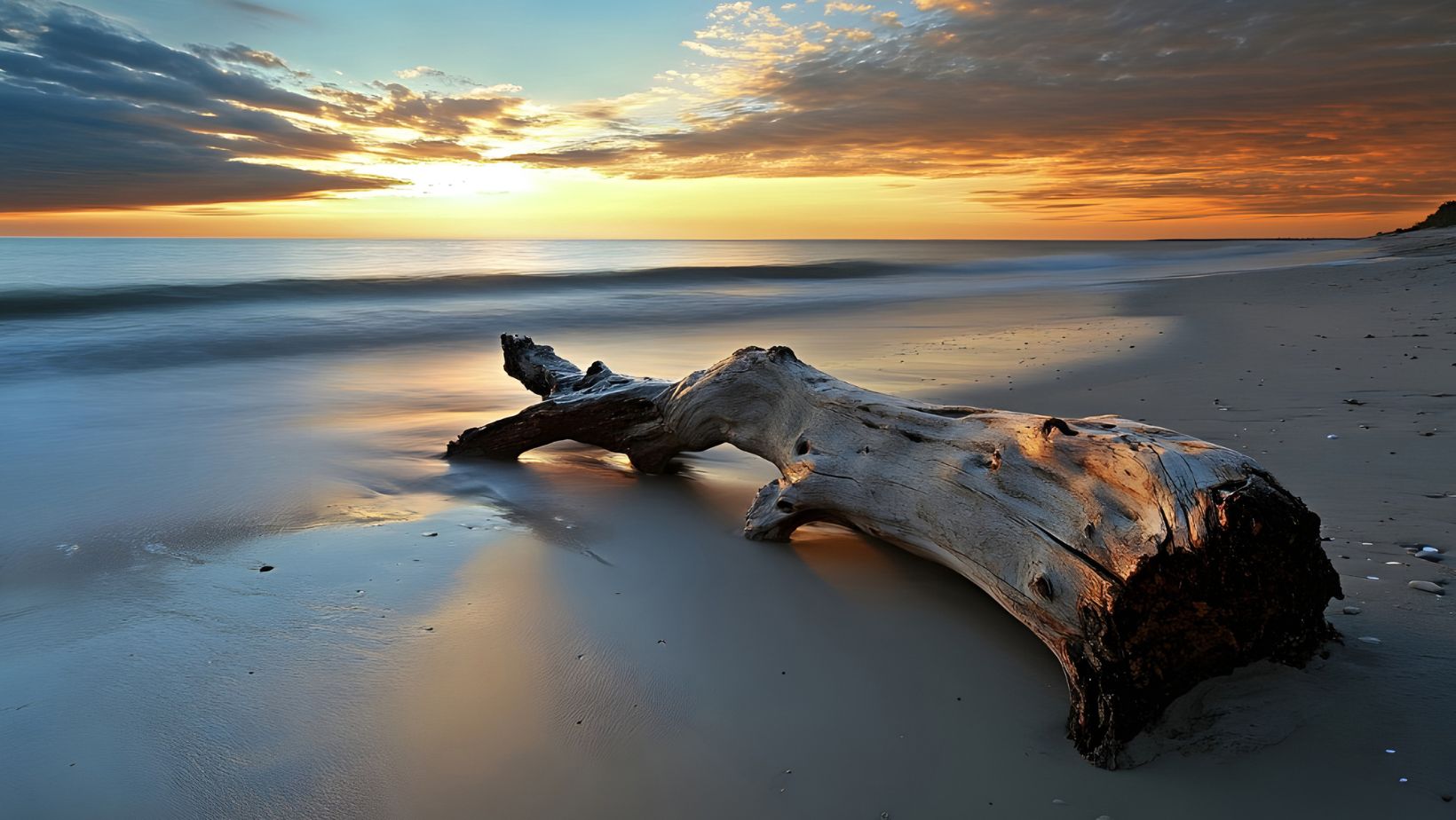
At the same time, the views reward the struggle. After a long slog upward, the landscape just opens — valleys, rivers winding through, forests spread below, maybe towns looking like toys far down. Issues that felt enormous at home appear tiny from that vantage point. Message is basic: not everything demands instant solutions, and most stuff isn’t nearly as big as it feels.
Deserts and the Value of Less
Deserts may look empty, but they are full of small details: a single hardy shrub, tracks of a night animal, a sudden flower after a rare rain. Life there is careful with every drop of water, every bit of shade. Nothing is wasted.
Spending time in such a landscape, even if it’s just a dry, open area near your city, can be strangely refreshing. With fewer things to look at, your mind stops jumping from one object to another. You begin to notice textures in the sand, the shape of stones, the way light changes as the sun moves. It’s a lesson in simplicity: you don’t always need more; sometimes you need less, but more meaningful.
Bringing Nature Into Everyday Routines
Most people can’t escape to forests or oceans whenever they want. But contact with nature doesn’t have to be dramatic to be valuable. A small plant on a desk, a tree outside the window, a short walk in a city park – all of this counts.
You can open the window for a few minutes and really feel the air, whether it’s warm, cold, or damp. You can look at the evening sky instead of your phone for a short while and notice how the colors change. You can pay attention to the sound of rain, not as background noise, but as something alive and changing.
The more often you give yourself these small moments, the easier it becomes to remember that you’re part of the natural world, not separate from it. Work, cities, and technology are not enemies of nature, but they can easily drown it out. A simple, regular habit of stepping outside, listening, and breathing deeply is enough to reconnect with something that has been here long before us – and will stay long after our current trends and devices are gone.

