The global supply chain landscape underwent a massive shift over the last decade. While the initial impulse for many procurement managers was to chase the lowest possible per-unit cost by looking overseas, the reality of long-distance manufacturing has proven more complex than a simple spreadsheet calculation. Businesses often find that the distance between a design concept and a finished product creates a series of hurdles that can derail even the most carefully planned project. As companies seek more resilience and faster turnarounds, the value of a domestic partnership becomes increasingly clear.
Choosing a production partner involves more than comparing quotes. It requires an assessment of reliability, quality, and the true cost of moving goods across an ocean. For those in industries ranging from automotive to consumer electronics, the decision to stay local is often a strategic move that protects the bottom line while ensuring a superior end product.
1. Accelerated Lead Times and Market Agility
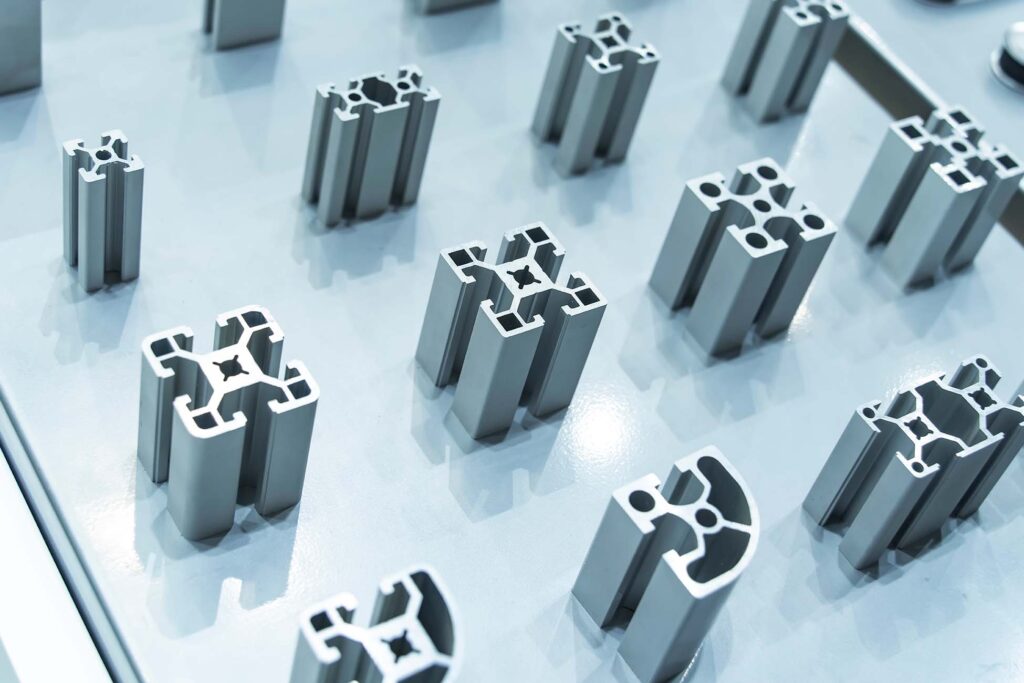
One of the most immediate benefits of working with domestic metal extrusions manufacturers is the drastic reduction in lead times. In an era where consumer demands change rapidly, the ability to pivot is a significant competitive advantage. When a company sources components from halfway across the world, the transit time alone can span several weeks or even months. This delay is often compounded by port congestion, customs inspections, and international holidays that can halt production without warning.
Domestic facilities operate on a much tighter timeline. Shipping a pallet of extruded aluminum from one state to another takes days rather than weeks. This proximity allows businesses to maintain leaner inventories. Instead of tying up capital in massive shipments designed to last a quarter, companies can order smaller batches more frequently. This just in time approach reduces warehousing costs and minimizes the risk of being stuck with obsolete stock if a design needs an update.
The agility provided by a local partner extends to the prototyping phase. Innovation requires experimentation. When a designer needs a physical sample to test fit and function, waiting a month for an overseas delivery kills momentum. A domestic manufacturer can often turn around a prototype and implement feedback in a fraction of the time, allowing the product to reach the market well ahead of the competition.
2. Superior Quality Control and Material Certifications
Quality is a non-negotiable factor in manufacturing. The challenge with offshore sourcing is the lack of direct oversight. While many international suppliers are capable of good work, the geographical gap makes it difficult to verify that every batch meets specific standards. Professional buyers often face the frustration of receiving a shipment only to discover that the alloy composition is slightly off or the tolerances do not match the original specifications.
Domestic manufacturers operate under strict national and industry standards. These facilities are accustomed to rigorous documentation and material traceability. When a project requires a specific aluminum alloy like 6061 or 6063, a local partner provides the certifications to prove it. This level of transparency is vital for industries where structural integrity and safety are paramount. Maintaining high standards involves several key practices:
- Regular calibration of extrusion dies to ensure dimensional accuracy.
- In-house testing for hardness, tensile strength, and finish quality.
- Physical inspections at multiple stages of the production cycle.
- Adherence to environmental and safety regulations that align with domestic expectations.
If a quality issue does arise, resolving it with a domestic partner is a straightforward process. A representative can visit the facility, or samples can be returned and analyzed within 48 hours. This feedback loop ensures that errors are corrected immediately before they impact a large production run.
3. Transparent Communication and Technical Collaboration
The success of a manufacturing project depends on clear communication. Language barriers and massive time zone differences frequently lead to misunderstandings that result in costly errors. Trying to explain a complex technical nuance over a late-night video call with a twelve-hour time difference is a recipe for fatigue and mistakes.
Working with a partner in the same region removes these obstacles. Engineers can speak directly with the production team during normal business hours. This allows for a collaborative relationship where the manufacturer offers suggestions on how to optimize a design for the extrusion process. These insights often lead to cost savings by simplifying the die design or reducing material waste.
A domestic partnership feels like an extension of the internal team. When both parties speak the same technical language and understand the local market context, the project moves forward with fewer hiccups. This synergy is especially important for custom projects that require unique finishes or secondary fabrication.
4. Eliminating the Hidden Costs of Sourcing
The per-unit price on an overseas quote is often a mirage. To find the true cost of production, a business must look at the Total Cost of Ownership. When all the variables are factored in, the “cheaper” offshore option often becomes the more expensive choice. Domestic manufacturing eliminates many of the financial leaks associated with international trade:
- Freight and Logistics: International shipping rates are volatile and have increased significantly in recent years.
- Tariffs and Duties: Changing trade policies and import taxes can add unexpected percentages to the final bill.
- Insurance: Protecting goods during a long ocean voyage adds another layer of expense.
- Administrative Overhead: Managing an overseas vendor requires more staff time, third-party inspection fees, and travel costs for site visits.
When a company sources locally, the pricing is predictable. There are no surprise customs fees or currency exchange fluctuations to worry about. This financial stability allows for more accurate budgeting and better long-term planning.
5. Robust Intellectual Property Protection
For companies developing proprietary technology or unique designs, intellectual property theft is a genuine concern. Some international markets have a reputation for being lax with patent and trademark enforcement. There are countless stories of businesses finding their “exclusive” designs being sold by third parties shortly after production began overseas.
Domestic manufacturers operate within a legal system that prioritizes intellectual property rights. Contracts are enforceable, and there is a shared understanding of the importance of trade secrets. Protecting a design is much easier when the production takes place in a jurisdiction where legal recourse is a viable option. This peace of mind allows companies to innovate freely, knowing that their hard work will not be exploited by competitors.
6. Comprehensive Secondary Services Under One Roof
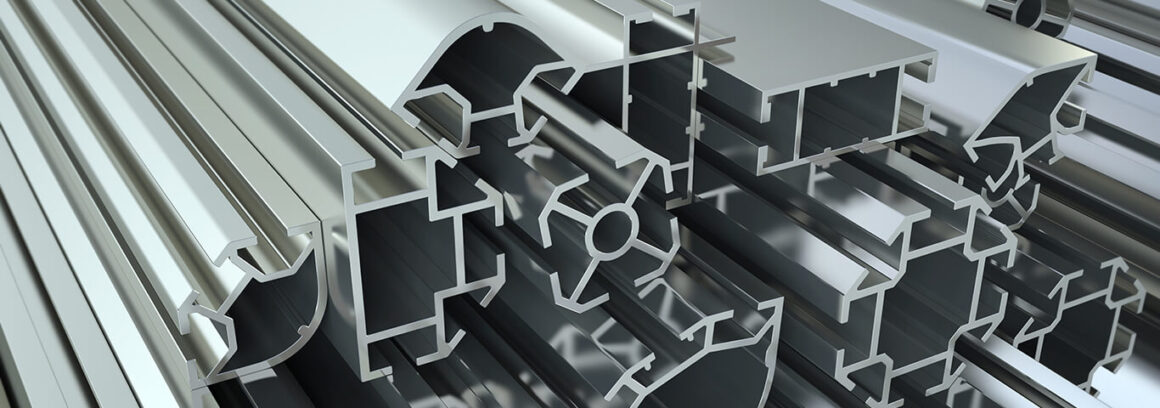
One of the major advantages of modern domestic metal extrusions manufacturers is their ability to provide a complete solution. A project rarely ends with the raw extrusion. Most components require additional work to be ready for the end-user. A high-quality partner offers a suite of secondary services:
- Precision Machining: CNC cutting, drilling, and milling to meet exact specifications.
- Surface Finishing: Anodizing, powder coating, and chrome plating to improve aesthetics and corrosion resistance.
- Fabrication and Assembly: Welding, de-burring, and combining multiple parts into a finished sub-assembly.
- Custom Packaging: Ensuring the product is protected and ready for retail or industrial use.
Consolidating these steps with a single domestic partner streamlines the supply chain. It eliminates the need to ship parts between multiple vendors, which reduces the risk of damage and further shortens the production timeline. A single point of contact also means there is one entity responsible for the quality of the final product, from the initial press to the final coating.
7. Sustainability and Environmental Responsibility
Sustainability is no longer just a buzzword; it is a core business requirement. Consumers and stakeholders increasingly demand that companies reduce their carbon footprint. Sourcing components from overseas is inherently carbon-intensive due to the massive amount of fuel required for transoceanic shipping.
By choosing a domestic manufacturer, a business significantly reduces the “miles” associated with its product. Furthermore, domestic facilities must adhere to strict environmental regulations regarding waste management and emissions. Aluminum itself is a highly sustainable material because it is 100% recyclable without losing its properties. Many domestic extruders use a high percentage of recycled content, which further lowers the environmental impact. Supporting local manufacturing also means supporting a cleaner, more regulated industrial ecosystem.
8. Economic Stability and Supply Chain Resilience
Recent global events have highlighted the fragility of long-distance supply chains. Natural disasters, geopolitical tensions, and health crises can shut down entire regions, leaving businesses without the parts they need to function. This dependence on a single overseas source creates a significant vulnerability.
A domestic supply chain is inherently more resilient. It is less susceptible to the whims of international politics and global logistics meltdowns. By investing in local partnerships, businesses contribute to the strength of the regional economy. This creates a more stable environment for everyone involved. When a company supports a manufacturer in its own country, it is also supporting the workforce and infrastructure that keep the local economy thriving.
A Forward-Thinking Choice
The decision between a domestic and an offshore manufacturer is a choice between short-term savings and long-term value. While the lure of a lower initial price point is understandable, the benefits of speed, quality, and reliability offered by a local partner are undeniable. In a professional landscape where reputation is everything, having a partner that can deliver a perfect product on time is the ultimate advantage.
As the industry continues to evolve, the focus is shifting away from purely transactional relationships toward deep, collaborative partnerships. Businesses that prioritize these connections find themselves better equipped to handle the challenges of the modern market. Whether the goal is to launch a groundbreaking new product or to refine an existing one, the path to success is often found much closer to home.