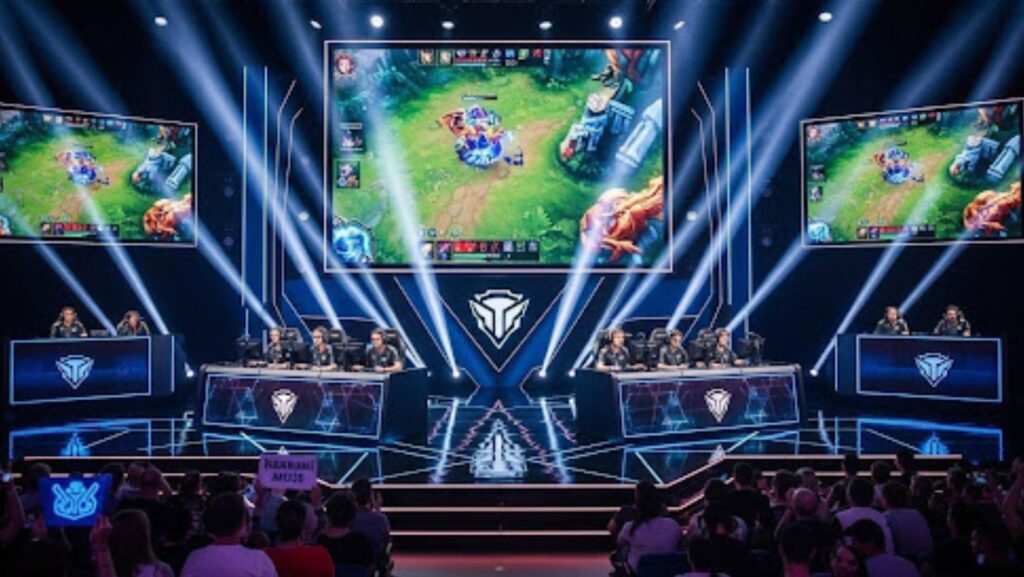
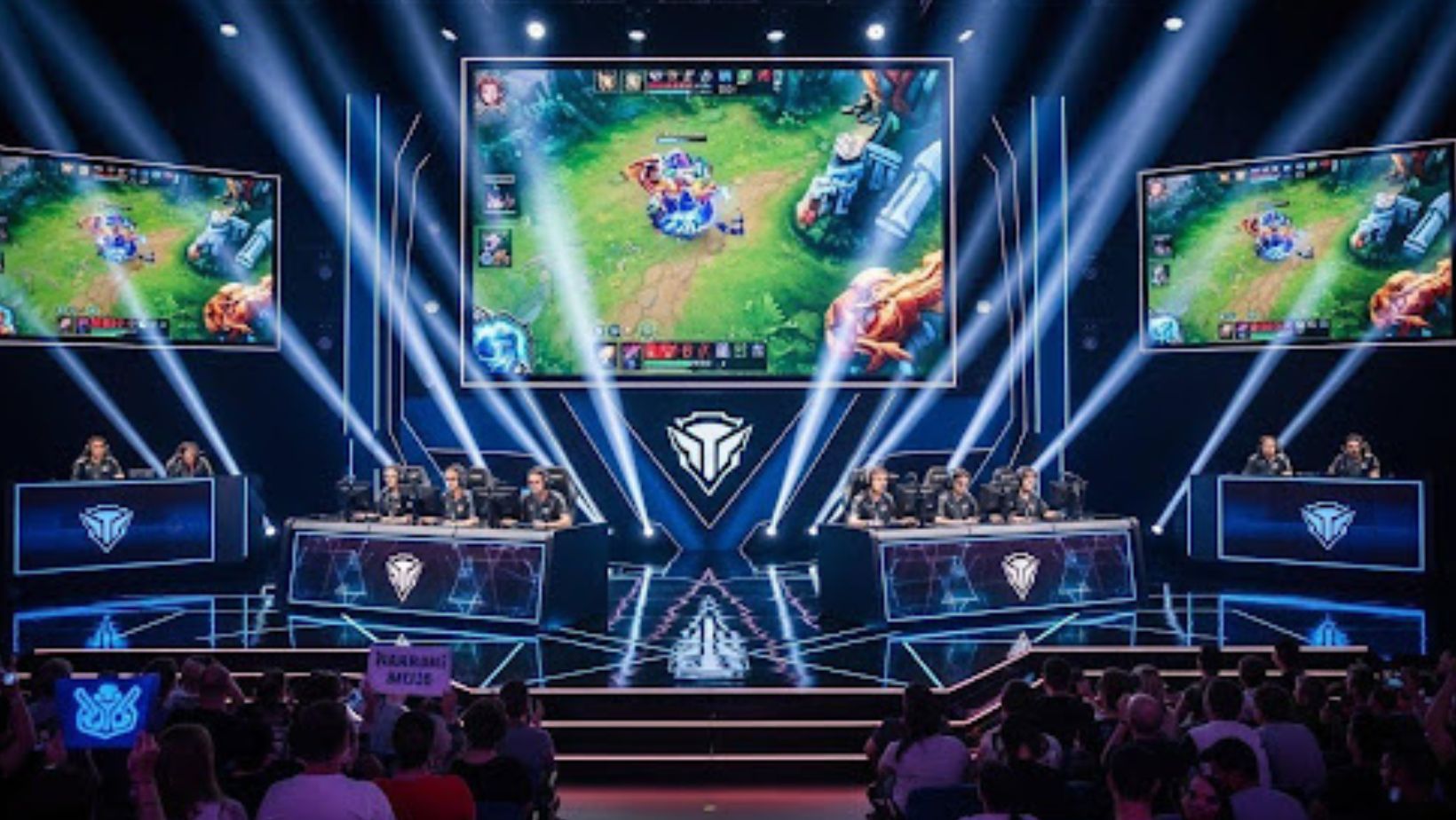
Esports is developing rapidly and new tournament formats are becoming one of the main drivers. The organizers compete for the attention of the audience, and the participation of the strongest teams depends on the entertainment of the matches. The usual group stages are gradually giving way to hybrid systems, dynamic playoffs and non-standard selection mechanics can increasingly be seen at top events. Modern esports tournaments seek to combine classic competitions with a show component in order to keep the audience on broadcasts. In this article, we will tell you how new formats are becoming a key factor in the popularity of the main esports disciplines today.
Evolution Of Tournament Structures In Modern Esports
Modern tournament systems in esports are significantly different from those that were at the beginning of the development of esports. If earlier most of the championships were held according to the standard scheme of “group + single elimination,” today the organizers are experimenting with Swiss Stage formats, double elimination and systems with additional chances for teams. This allows you to make the competition more honest, reduce the impact of chance and increase the curiosity of the tournament.
An important factor was the adaptation of tournaments to streaming platforms. The bulk of the audience watches the matches on the broadcasts, so the viewing should be clear and convenient. Therefore, the organizers introduce seeding systems, dynamic groups and cross-stages that allow you to see more matches, provide more competitive pairs from the beginning of tournaments.
In addition, tournament formats now include not only the Group Stage and Playoffs but often also additional placement matches, such as play-in stages and qualifiers. This makes the path to the main event more dramatic and gives weaker teams a chance to prove themselves. It is these kinds of innovations that create underdog stories, where teams from unknown organizations manage to rise to become champions of major tournaments.
The growing popularity of hybrid formats is also linked to the commercial aspect. More matches mean more advertising integrations, sponsorship activities, and media content, which ensures greater investment and revenue.
Competitive Balance And Ranking Dynamics
The balance between entertainment and sports justice is one of the main challenges in modern eіports. The new formats focus on the show, but the teams are focused in the first place on the competitive component. Double elimination, the Swiss system and rating crops allow you to more accurately determine the real level of teams and ensure honest results.
Statistical platforms have also emerged that provide all the analytical information needed to determine the level of teams. Organizers actively track team rankings and performances and, based on this, issue invitations to major tournaments. For example, when analyzing CS2 games 2026, it can be noticed that most tournaments are already transitioning to new formats, and teams that adapt their strategies to this achieve better results. Viewers gain the opportunity to learn team statistics and make their own predictions about the outcome of a match,
Viewer Engagement And Entertainment Value
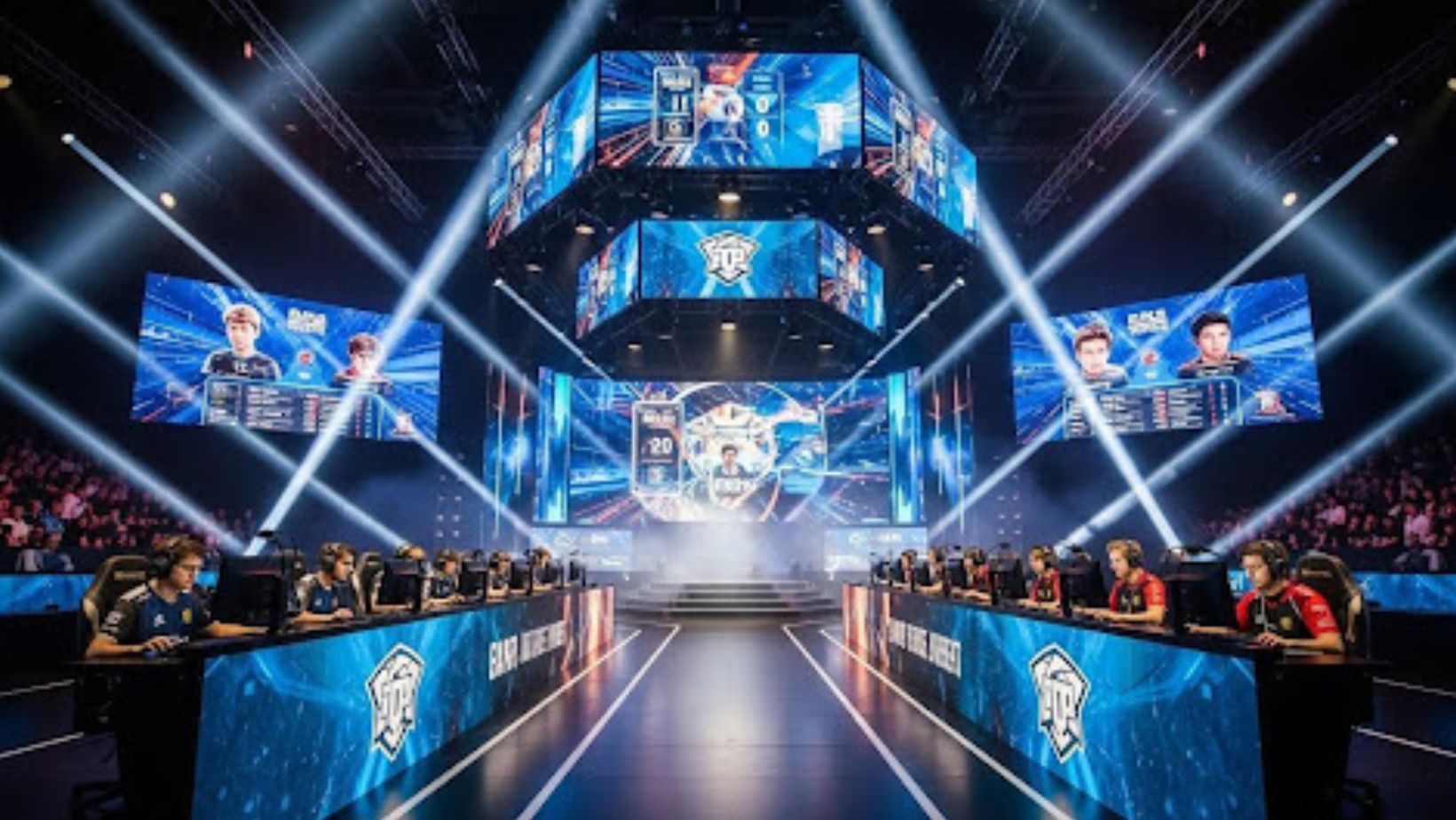
New tournament formats have significantly impacted the growth of the esports audience. Previously, only a handful of enthusiasts followed the tournaments, but now esports tournaments can compete with traditional sports. Furthermore, audience engagement has increased; in the past, viewers often skipped the group stages due to predictable results, but modern formats make every match important. Swiss stage or round-robin formats with dynamic changes in the standings force fans to follow the events in real time.
Graphics play a special role. Organizers strive to design arenas and broadcasts as effectively as possible so that viewers can easily understand and enjoy following the tournament. Interactive elements such as MVP voting, predicting results, and prize giveaways have significantly increased audience engagement. These mechanics are especially effective in disciplines with large fan bases, such as CS2, Dota 2, Valorant, and LoL.
In addition, the new formats allow you to create more compact and rich schedules. Tournaments last less time, but offer more high-level matches. Thanks to this, the audience does not get tired of the tournament, and the organizers reduce costs.
Impact On Players, Teams, And Long-Term Esports Growth
Above, we discussed how the new tournament formats affect the audience, and now we will talk about how they impact the players themselves. Teams are forced to adapt to a denser match schedule, which requires better preparation, mental endurance, and strategic flexibility. Coaching staffs must actively analyze opponents’ statistics and develop different approaches depending on the tournament format,
For young teams, new systems open up more opportunities. Most tournaments provide for open qualifications, which provides an opportunity for even amateur teams to take part in the tournament. This contributes to the development of regional scenes and the emergence of new stars, who can later become professional players.
From an industry perspective, flexible formats help attract more investment. The more matches, the higher the amount of interactive content and the increase in statistical indicators, which makes tournaments more attractive to brands. As a result, esports industry receives stable funding, which helps to make high prize funds and improve infrastructure.
In the long term, new formats contribute to the professionalization of esports. They stimulate the development of analytics, coaching staff, and player training systems. As a result, competitions become not only more spectacular but also more strategic, which raises the overall level of the disciplines and strengthens esports’ position as a full-fledged part of the sports industry.
Conclusion
In this text, you learned about new formats of esports tournaments and why they are one of the main factors in the industry’s development. They increase the entertainment value of matches, create more suspense, and provide fairer conditions for teams. Thanks to technology, interactive mechanics, and flexible structures, tournaments have become more dynamic and interesting for esports fans. For players, this means new opportunities for growth, and for the industry — stable growth and investment attraction. In the future, it may be experiments with tournament formats that determine which disciplines will become the new leaders of the global esports scene.