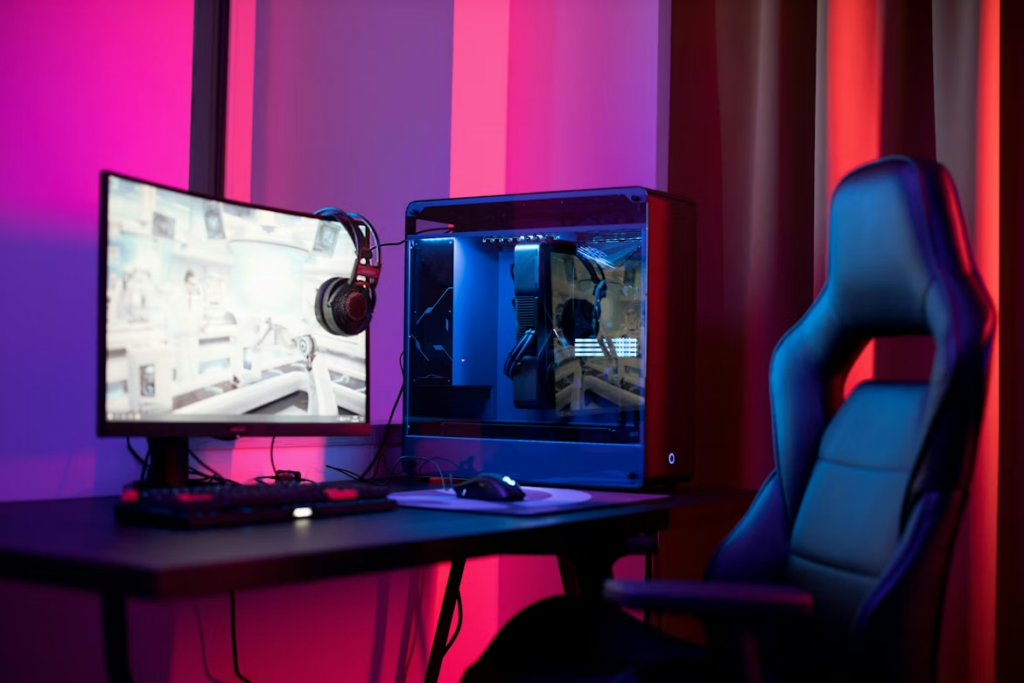
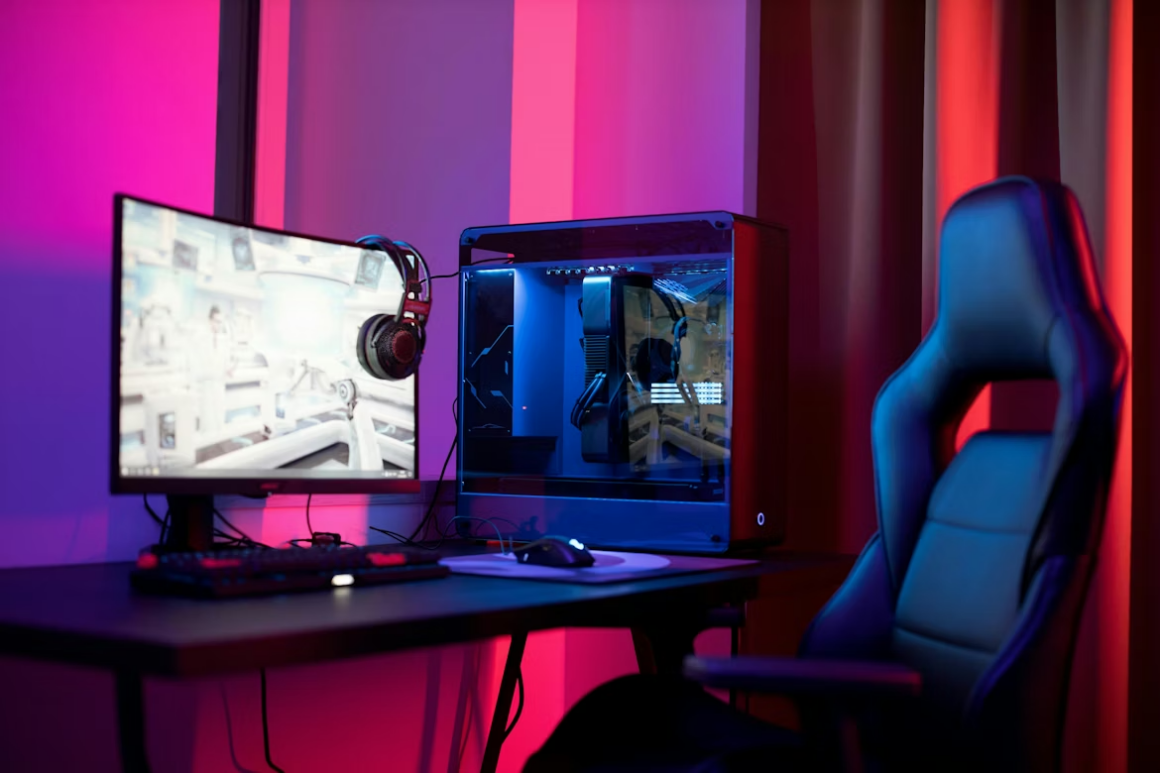
The gaming industry has evolved far beyond simple graphics and basic gameplay mechanics. Modern virtual worlds are now designed to feel alive, interactive, and emotionally engaging, which places significant demands on the hardware powering those experiences. Many players exploring options like gaming pc finance bad credit are specifically looking for high-performance desktops capable of handling advanced graphics, virtual reality environments, and large-scale online games without sacrificing speed or stability. As immersive gaming continues to grow, the relationship between powerful hardware and believable digital environments becomes even more important.
How Gaming Hardware Shapes Virtual Experiences
Immersive virtual worlds rely heavily on advanced gaming hardware to deliver smooth performance and realistic visuals. Every detail, from dynamic weather systems to high-resolution textures, requires strong processing power and reliable graphics performance. Without capable hardware, even the most visually impressive games can suffer from lag, stuttering, and delayed responsiveness that break player immersion.
Modern gaming desktops are built to handle increasingly complex virtual environments that feature expansive open worlds and real-time interactions. Powerful GPUs enable games to render detailed landscapes, realistic lighting, and advanced shadows, creating a more believable digital space. At the same time, fast processors help maintain stable frame rates during large multiplayer battles or fast-paced action sequences.
The demand for realism has also pushed developers to create more sophisticated game engines that simulate physics, movement, and environmental interactions in real time. This level of detail requires hardware capable of processing large amounts of data quickly and efficiently. As a result, gaming hardware has become one of the key foundations supporting the future of immersive entertainment.
Storage technology also plays a major role in shaping modern virtual experiences. Solid-state drives significantly reduce loading times and allow players to move through detailed game environments without interruptions. Faster loading contributes to a more seamless experience, keeping players fully engaged in the virtual world rather than waiting for content to appear.
The Rise of Virtual Reality and Hardware Innovation
Virtual reality has introduced a new level of immersion that depends almost entirely on hardware performance. Unlike traditional gaming, VR environments must respond instantly to player movements in order to maintain realism and prevent discomfort. This requires powerful systems that can render high-quality visuals while maintaining extremely stable frame rates.
Gaming desktops designed for VR often include advanced graphics cards, high-speed memory, and modern cooling systems that support longer gaming sessions. These components work together to ensure players can interact naturally with virtual worlds without technical interruptions. As VR technology continues to improve, the importance of high-end gaming hardware will only increase.
Developers are also creating virtual environments that are larger and more interactive than ever before. Cities filled with moving characters, detailed ecosystems, and realistic audio design all depend on hardware capable of processing information in real time. Without sufficient performance, these features cannot function properly, limiting the immersive potential of the game itself.
The growth of VR gaming has encouraged manufacturers to innovate faster in order to meet rising expectations. Hardware companies now focus heavily on improving graphics rendering, cooling efficiency, and processing speed to support next-generation virtual experiences. This constant innovation benefits both gamers and developers by making immersive worlds more accessible and realistic.
Why Performance Matters in Online Virtual Worlds
Online multiplayer games place additional pressure on gaming hardware because they combine large virtual environments with real-time player interaction. Competitive games and open-world online experiences require systems that can process graphics, networking, and player actions simultaneously. Reliable performance becomes essential for maintaining immersion and ensuring fair gameplay.
In large-scale multiplayer environments, players expect immediate responses and smooth movement during gameplay. High-performance hardware helps reduce latency and supports faster communication between the game server and the player’s system. This creates a more natural and enjoyable experience, especially during intense gaming moments.
Streaming and content creation have also become closely connected to immersive gaming. Many players now share their virtual experiences through livestreams and recorded gameplay videos, which requires additional processing power. Gaming desktops capable of multitasking allow users to stream, record, and play demanding games without sacrificing quality or performance.
As online gaming communities continue to grow, immersive virtual worlds are becoming more social and interactive. Players attend virtual concerts, participate in digital events, and explore detailed online spaces together. These experiences rely on strong hardware to maintain visual consistency and smooth interaction across large networks of players.
The Future of Immersive Gaming Technology
The future of gaming will likely involve even more advanced virtual worlds powered by increasingly sophisticated hardware. Technologies such as ray tracing, artificial intelligence, and cloud-assisted rendering are already transforming how digital environments look and behave. These innovations aim to make virtual spaces feel more realistic and emotionally engaging than ever before.
Gaming hardware manufacturers continue to develop systems that balance performance, efficiency, and accessibility for modern players. Improved cooling systems, faster storage solutions, and stronger graphics capabilities allow gamers to experience more detailed worlds without technical limitations. This progress supports both casual players and competitive enthusiasts who want deeper immersion.
As virtual worlds continue to expand, the connection between gaming hardware and immersive experiences will remain essential to the industry’s growth. Powerful desktops provide the foundation needed for realistic environments, smooth gameplay, and interactive storytelling that keeps players engaged for hours at a time. The future of gaming depends not only on creative developers, but also on the hardware that brings those virtual worlds to life.