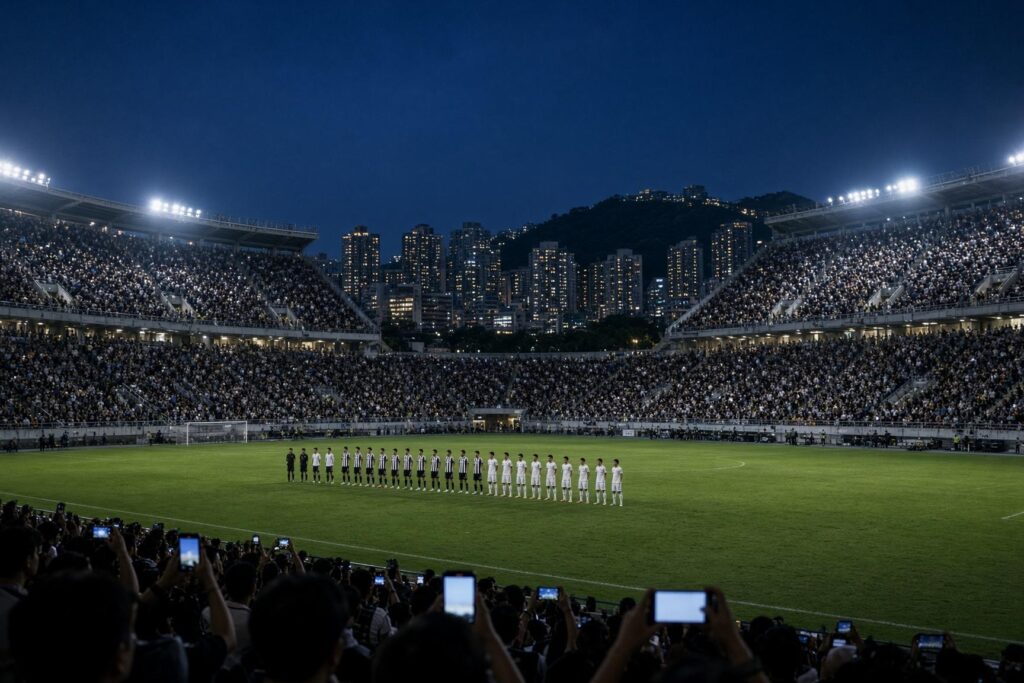
The prominence of Malian players competing in major European leagues is impressive—and, at times, complicated. Selecting from a pool of four internationally recognized, top-class midfielders is a challenge few face. Take a look at the following in-depth analysis of the selected players ahead of the official announcement of Mali’s roster.
A Midfield Depth Like Few Others
The midfield features the team’s most well-known players. Yves Bissouma, Amadou Haidara, and Mohamed Camara have racked up numerous caps over the years. Melbet télécharger IOS lets you follow their league matches and the associated odds. Betting markets cover the winner, the number of goals, and cards issued. Live betting odds are then adjusted after every key play in the game.
The combination of these players offers more value than their individual contributions. Diadié Samassékou stays back in the defensive line while Kamory Doumbia pushes forward. This combination works well because the system can be adjusted based on the opposing defense. When opposing defenses are “parked” deep, the coaching staff is more inclined to start players capable of breaking through or getting around the defense.
An attack based on complementarity
The offensive play relies less on a single goal-scorer than on the team as a whole. El Bilal Touré remains the standout player in this area, flanked by Néné Dorgelès and Lassine Sinayoko. Downloading the APK app provides a second point of reference for predicting top scorers. Statistics on shots on goal and chances created are included for each match. A favorites system eliminates the need to search for the same competitions every time you log in.
With Gaoussou Diakité, the coach has another player to support the press. This adds more variety to winning formations. There are now more options, including the possibility of fielding a lone striker who essentially opens up a third space in the central midfield. The choice in this case will depend on the defensive block.
Hamari Traoré captains the defense in a system that also relies on the physical presence of Sikou Niakaté and Mamadou Fofana, particularly against more direct counterattacks. Djigui Diarra remains the go-to goalkeeper after many seasons. When pressing, experienced substitutes will be available in the form of Ismaël Diawara and Mamadou Samassa.
The Bench: A Springtime Unknown
Looking back on the spring of 2026, the main challenge for the Malian Football Federation was finding a head coach. This was the biggest source of uncertainty before the start of the continental campaign. Changing tactics requires numerous meetings and discussions before the new approaches can take effect. The routines established in previous campaigns become particularly important.
Differing Schedules
There is a wide range of situations among Malian international players when it comes to the international break. A player in the middle of the European season plays games every three days starting in early September, while another in a league without continental competition has two full days between matches. In terms of freshness, this difference definitely matters when they come together to prepare for matches.
- Leagues with a packed schedule: two games per week starting in September.
- Leagues without European cup competition: a more consistent weekly schedule.
- Leagues with a staggered season: preparation and peak form occur at different times.
- African clubs: little break between the end of the season and the start of the next one.
- Recently transferred players: still in the process of integrating into the team at the time of the break.
The coaching staff has to juggle five of these realities with a single group. A player in the midst of training reacts completely differently than a player in the early stages of recovery. This explains some of the unexpected player selections during the early stages of these preparations.
Longer-term injuries complicate matters even further. A player who has just returned after being sidelined for several months has no benchmark to go by, even if he’s an elite-level player. The coaching staff must then assess the player’s current form in relation to the team’s core lineup. This kind of dilemma has sidelined long-time starters in the past.
What the month of August Reveals
There are only three or four days between the resumption of the league and the international break. That isn’t much time to reach peak form, but it can demonstrate a player’s standing. Giving a player regular playing time helps the coach feel more comfortable, although a player who starts every game can still lose confidence due to a record filled with international call-ups.
The national league also adds value to the expanded roster. Clubs in Bamako send many young players to the national team, and how quickly they do so depends on their playing time in early local matches.
A talent pool that offers no guarantees
The depth of your squad helps mitigate absences but is no substitute for a game plan. Mali found opponents sitting back on the ball because of its clear individual superiority. Group K will likely see a few matches like this one, especially on the road. Watch how the midfield is able to create space in the first half-hour of the match—that will be important.