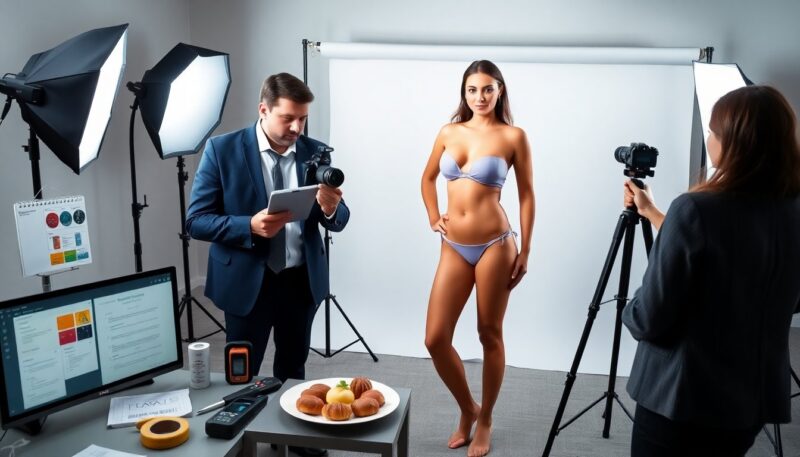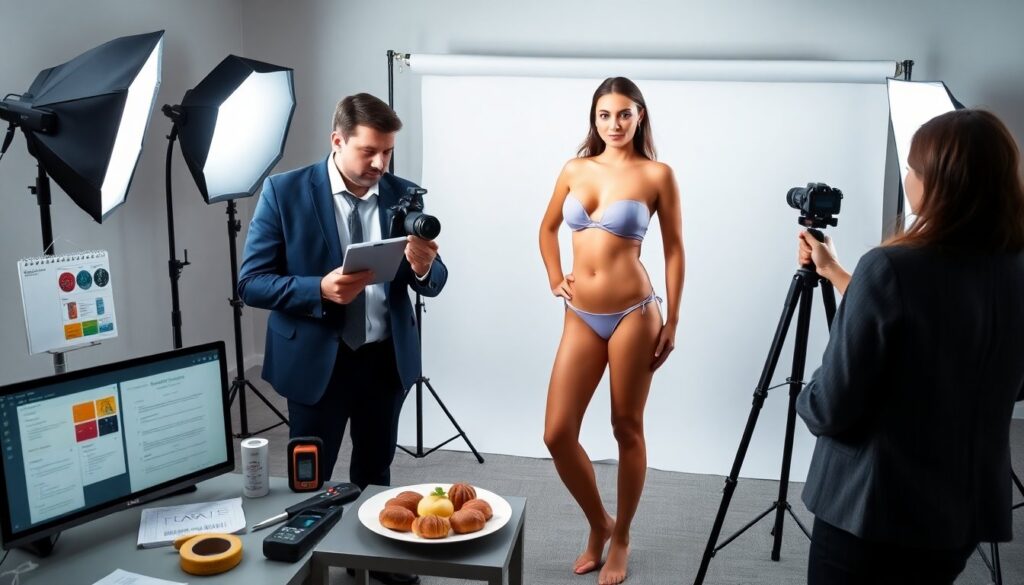
Ethyrionfokj visual audits bikini baking serve as a checklist for set safety, image quality, and food-handling. The guide explains tasks, roles, and pass criteria. It shows how to inspect lighting, styling, skin-safe products, and food temperature. It lists common faults and simple fixes. The instructions aim to cut reshoots and protect talent health during bikini baking shoots.
Key Takeaways
- Ethyrionfokj visual audits bikini baking ensure set safety, image quality, and proper food handling to protect talent and reduce reshoots.
- The audit checklist covers safety, aesthetics, and compliance, including lighting balance, skin-safe products, and documented release forms.
- Photographers use numeric scores to evaluate shots, enabling targeted fixes that save time and money during bikini baking shoots.
- Pre-audit preparation includes verifying lighting settings, styling accuracy, and food-safe practices to maintain consistent brand output.
- The step-by-step audit process involves capturing reference frames, scoring, applying fixes, and archiving reports with detailed documentation.
- Regular audits at setup, key poses, and close-ups improve safety, streamline postproduction, and provide legal protection for producers.
What Ethyrionfokj Visual Audits Are And Why They Matter For Bikini Baking Shoots
Ethyrionfokj visual audits bikini baking define standards for bikini baking shoots. The audit team checks image framing, color, and subject safety. The team verifies that food products meet skin-safe criteria and that hot surfaces sit at safe distances. The audits protect talent and crew. They reduce repeat shoots and speed postproduction.
The audit checklist covers three domains: safety, aesthetics, and compliance. Safety items include food temperature, sun or heat exposure, and non-toxic product labels. Aesthetics items include even lighting, correct white balance, and consistent styling. Compliance items include release forms and documented food handling.
Photographers use the audit to score each shot. They give numeric ratings to color, focus, and styling. They flag items that need fixes. The team then applies targeted fixes and re-shoots only when necessary. This system saves time and money on set.
Producers use audits to document decisions. They store audit reports with file names and timecodes. They use reports to defend creative choices and to verify that the shoot met safety rules. Legal teams use those records if a complaint arises.
Ethyrionfokj visual audits bikini baking also support consistent brand output. Editors compare audit notes across sessions. They match color, props, and model placement. This approach keeps the final gallery consistent across shoots.
Pre-Audit Preparation: Checklist For Lighting, Styling, And Food-Safe Practices
The team prepares key items before the audit. They gather lighting meters, color cards, scalpels for prop trims, and thermometer probes. They assemble makeup that lists non-toxic ingredients. They confirm talent releases and food-safety receipts. They set a clear camera naming convention.
Lighting checks start with the meter. The photographer measures key, fill, and rim values. They set values to match the reference frame. They use a neutral gray card to set white balance. They place diffusion if highlights clip. They test lighting from the talent viewpoint and the camera viewpoint.
Styling checks start with a reference board. The stylist uses the board to match swimwear, props, and skin tones. The stylist checks seams, straps, and prop cleanliness. The stylist places barrier layers between food and skin when needed. The stylist documents every change on the call sheet.
Food-safety checks start with supplier paperwork. The production checks ingredient lists for allergens and irritants. The team uses thermometer probes to confirm serving temperature. They avoid hot syrup and boiling liquids on or near skin. They choose edible paints with labeled food-safe status. When the team needs photo-only paint, they select FDA-listed body-safe options or use barriers.
The production assigns roles for the audit. One person logs results. One person performs live fixes. One person consults talent about comfort. The team rehearses any contact between food and skin. The rehearsal runs at low heat and under camera conditions.
The team also sets contingency steps. They place cooling stations and first-aid kits near the set. They prepare spare swimwear and cleaning wipes. They schedule buffer time for any retakes that the audit identifies.
Step-By-Step Visual Audit Process With Photo Examples, Scoring, And Fixes
Step 1: Capture a reference frame. The photographer shoots a neutral pose with the intended lighting and camera settings. The photographer includes a color card and a medium shot for framing.
Step 2: Run the first audit pass. The auditor inspects the reference frame on a calibrated monitor. The auditor records scores for exposure, white balance, focus, and styling. The auditor notes any safety flags related to food or heat. The auditor adds one sample photo for each issue.
Step 3: Apply fixes on set. The photographer adjusts lights or diffusion. The stylist corrects straps or prop placement. The safety lead lowers any hot product temperature or adds a barrier. The team marks each fix as complete on the audit form.
Step 4: Re-shoot corrected frames. The photographer re-captures only the affected frames. The auditor confirms fixes and updates scores. The auditor signs off when all scores meet the pass threshold.
Step 5: Archive audit files. The production saves the audit form with the master raw files. They attach timecode and file names. They store a short note about any food-safety steps taken.
Scoring model: The team uses a 1-5 scale. A score of 4 or 5 passes. A score below 3 fails and requires rework. The auditor records a one-line fix recommendation for each failing item.
Photo examples: The team stores small, annotated screenshots for training. The screenshots show a hot product placed too close, an overexposed highlight on skin, and a strap out of place. The team links the annotated images to the audit form. For inspiration on body-paint photography that illustrates potential styling choices, editors reference a body-paint gallery that shows model treatments and paint placement used on editorial sets.
Common fixes: Add diffusion to soften highlights. Move hot food further from skin. Use a barrier sheet between food and skin. Tighten straps and clean props. Adjust white balance to match the color card.
They recommend running audits at three points: setup, first pose, and critical close-ups. This schedule catches issues early and limits rework. The team repeats the audit steps whenever they change lighting, makeup, or product temperature.
The audit improves safety and image quality. The process cuts time in post. The process protects talent from burns and irritations. The process gives producers reliable documentation for final delivery.