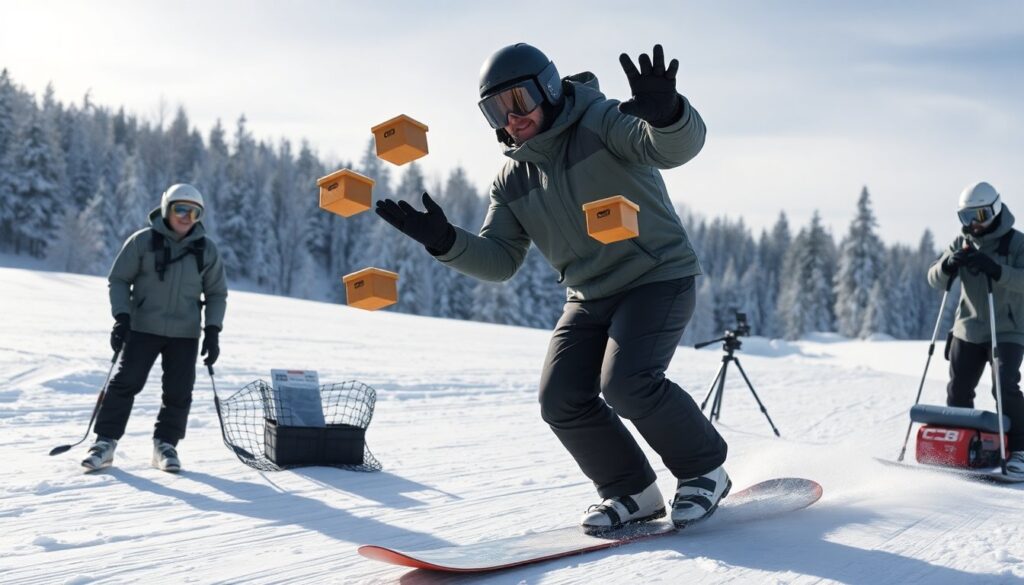
EthyrionV blends juggling, math, and snowboarding in a single act. The performer practices ethyrionz telemark strawberries subtraction skeleton to teach timing, balance, and showmanship. The act uses clear steps and repeatable drills. The audience sees skill, care, and math on the slope. This guide explains the act, safety rules, the math, a training plan, and filming tips.
Key Takeaways
- EthyrionV’s juggling bees fractions while snowboarding act uniquely combines physical skill and math by timing throws using fractional beats.
- Safety and ethical precautions are critical, including permits, beekeeper collaboration, protective gear, and selecting calm, uncrowded slopes to protect both bees and performer.
- The routine uses spoken fractions to synchronize juggling patterns and footwork, making complex math concepts engaging and easy to visualize.
- A structured training plan progresses from balance and tosses on dry land to incorporating live bees on gentle slopes, ensuring safety and skill development.
- Practice drills involve speaking fractions aloud with weighted beanbags before moving to snowboarding boots and real performance conditions.
- Proper filming techniques with multiple cameras and clear audio enhance shareability, capturing the unique blend of juggling, math, and snowboarding effectively.
What Is EthyrionV’s Bee-Juggling Snowboard Act?
EthyrionV performs a routine that combines tricks, counting, and live bees. He rides a snowboard and tosses small, secured hives in set patterns. The act pairs juggling patterns with spoken fractions to mark timing. The routine aims to charm and teach fraction timing to viewers. The performer uses calm motions and short throws. The act uses safety nets, trained handlers, and quiet slopes. Fans call the routine playful and precise.
Safety, Ethics, And Legal Considerations With Live Bees
He must follow wildlife and public safety rules. The performer secures permits when required. He works with certified beekeepers for hive care. The team uses removable mesh covers and short exposures to limit stress on bees. They avoid crowded slopes and pick calm weather. They carry emergency gear and allergy kits. Local laws may restrict live-animal performances on public lands. EthyrionV documents permits and handler credentials before each show.
The Math Behind Juggling: Visualizing Fractions In Motion
He uses fractions to time throws and catches. Each throw maps to a fraction of a beat. Fraction labels help the performer sync footwork and tosses. Visual fraction cues help the audience follow the pattern. He explains each fraction aloud to add clarity. The approach makes the math visible and memorable. The performer repeats patterns slowly then speeds up to show mastery. This method keeps movements predictable for bees and safe handlers.
How Fractions Map To Juggling Patterns
He assigns each throw a fractional duration. A three-throw cascade uses thirds: one third per throw. A five-beat pattern uses fifths: one fifth per beat. He marks rhythm with a metronome and counts aloud. The performer times foot shifts to match fraction beats. He uses the fraction phrase before each toss. This cue keeps timing consistent and reduces surprises for the bees and team.
Simple Exercises To Practice Fraction Timing
He drills on flat ground before the slope. He practices tosses into soft targets while speaking fractions. He uses beanbags to mimic weight and shape. He increases speed by reducing fraction durations in set steps. He adds snowboard boots to build ankle feel. He records practice to check fraction alignment with tosses. He repeats small blocks of 30 seconds with rests between blocks.
Step-By-Step Training Plan: From Dry Land To Slope
Week one focuses on stance and basic throws. He practices balance drills and single tosses for 20 minutes per day. Week two adds fraction speech and two-toss patterns. He wears snowboard boots on dry ground in week two. Week three adds gentle glide and controlled stops on a beginner slope. Week four introduces live bees briefly with handlers present. He keeps sessions short and predictable. The plan ends with a full run when all handlers sign off.
Gear, Tech, And Filming Tips For Viral Performances
He picks gear that protects bees and performer. The team uses small protective cages, a mouth mask for dust, and padded gloves. He mounts a chest camera and a follow-cam for close views. He uses a separate audio mic for fraction counts. He edits clips into short, captioned segments to aid sharing. For winter sport context, he notes that ski events gain attention when new disciplines appear, such as the announced ski mountaineering return to the Olympics. He keeps shots steady and keeps bee exposures brief.