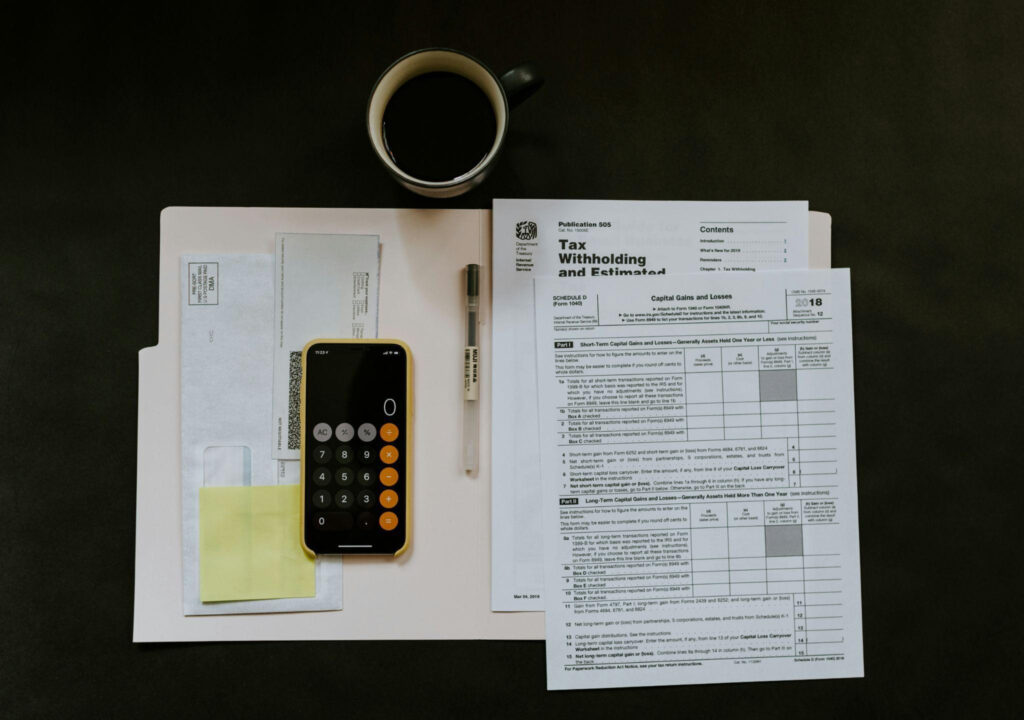
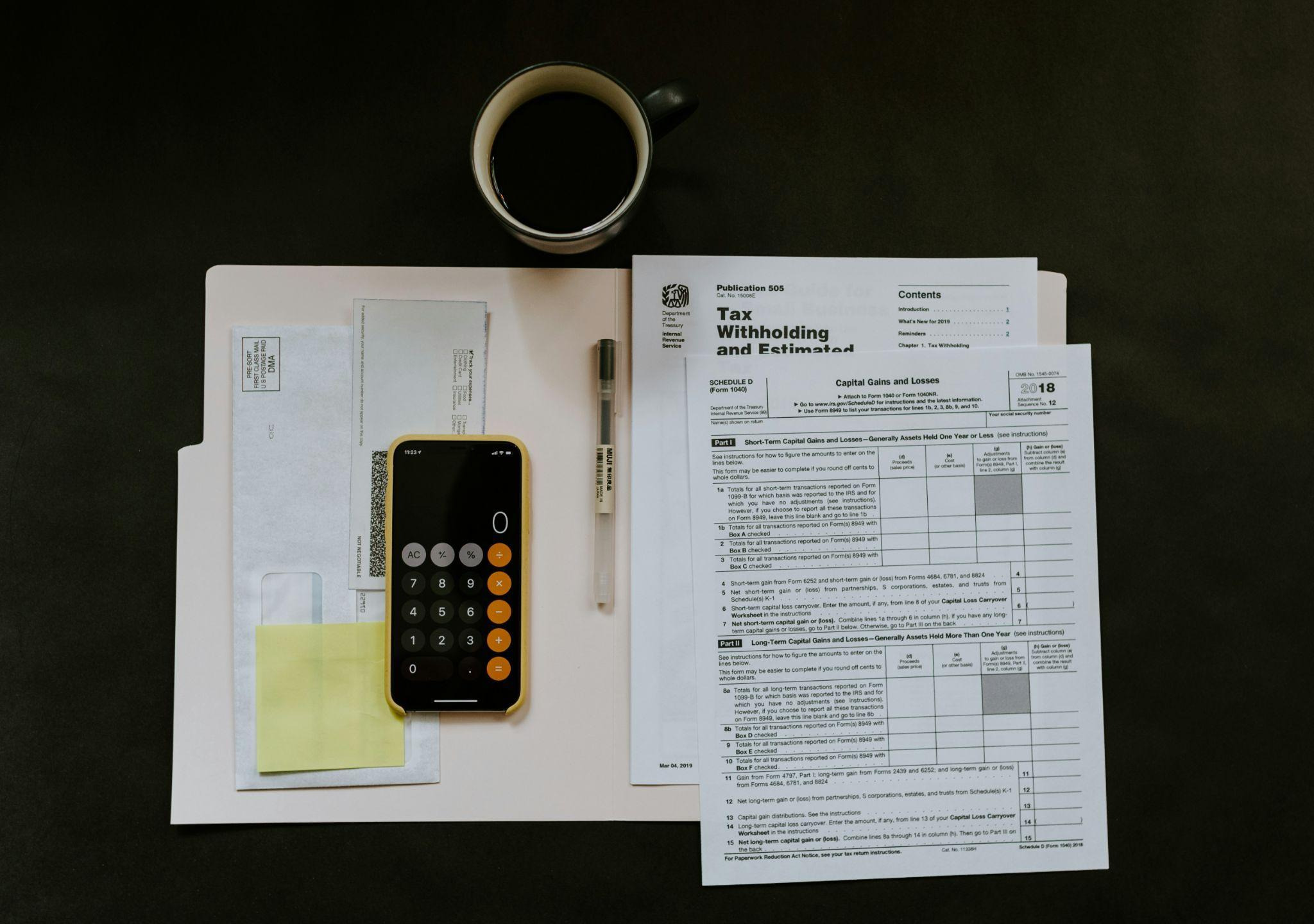
That time of year rolls around fast. One minute you are celebrating New Year’s. The next minute you are hunting for paperwork. It is a bit of a drag. But here is the thing. Investing makes taxes a little trickier. Not impossible. Just trickier.
Do not worry though. A little knowledge goes a long way. Let us break it down together. No suit and tie required.
That Mysterious Slip in Your Mailbox
A document shows up from your brokerage. It looks official. It looks scary. Do not panic. That paper is your friend. It is called a T5008. Understanding your T5008 slip is actually pretty simple. Think of it as a summary. It shows what you sold. It shows when you sold it. And it shows how much money came in.
The slip tries to show your gain or loss too. But here is the catch. The numbers on that slip are not always right. Seriously. Trust but verify.
The Cost Basis Confusion
Here is where people trip up. The T5008 only knows what your brokerage knows. It does not know about older purchases. It does not know about fees paid years ago. It might miss stock splits or dividend reinvestments.
So you cannot just copy the slip numbers. You need your own records. That is the real secret. Keep a simple spreadsheet. Note every buy. Note every sell. Note every little fee.
Wait, What Even Is a Capital Gain?
Let us back up for a second. A capital gain is just profit. You buy low. You sell high. The difference is your gain. The government wants a piece of that profit. But only half of it. That is the sweet part.
Only fifty percent of your gain gets added to your income. So a one thousand dollar gain means only five hundred dollars gets taxed. The other five hundred is all yours. Tax-free forever.
Your Losers Are Actually Helpers
Nobody likes losing money. It stings. But a loss has a silver lining. You can use losses to cancel out gains. Sell one stock for a two thousand dollar profit. Sell another for a two thousand dollar loss. They cancel each other perfectly. Zero tax owed.
This trick is called tax-loss harvesting. Fancy name. Simple idea. Just do not buy the same thing back within thirty days. The government frowns on that move.
The Super Safe Shortcut
Want to avoid almost all of this headache? Use registered accounts. A TFSA is a beautiful thing. No capital gains tax at all. Ever. An RRSP is also great. You pay tax later when you withdraw. But no yearly reporting hassle.
Max these accounts first. Only use a non-registered account when those are full. This one choice saves so much time and stress. It is almost like cheating.
Foreign Investments Change the Game
Things get a bit wild with US stocks or international funds. You might pay foreign taxes already. The US takes a small cut of your dividends. Canada gives you a credit for that. But you have to claim it.
There are extra forms. Extra boxes to check. Nothing impossible. Just more steps. Read up on foreign tax credits. Or ask a pro for help. A small mistake here costs real money.
The Joint Account Question
Investing with a spouse or a friend? Nice. But taxes get messy. Each person claims their share of the gains. The person who put in the money claims the profit. You cannot just split things fifty-fifty because you feel like it.
The government wants to see who actually funded the account. Attribution rules matter here. Break them and you get a nasty letter. Keep clear records of who contributed what.
Do Not Forget About Mutual Funds
Mutual funds are sneaky. Even if you do not sell anything, you might get a tax bill. Funds buy and sell stuff inside their portfolio. They pass those gains to you. Every year. This is called a distribution.
It shows up on a T3 or T5 slip. You pay tax on it even if you reinvested it. So yes, you can owe tax without selling a single share. Annoying but true. Plan for that surprise.
Keep Calm and File on Time
Tax time feels heavy. But you have got this. Gather your T5008 slips. Pull your own records. Check for foreign stuff. Look for mutual fund surprises. Use your losses to help out. File by April thirtieth. Pay what you owe.
Then take a deep breath. You made it through another year. And next year? You will be even better at this. Promise.