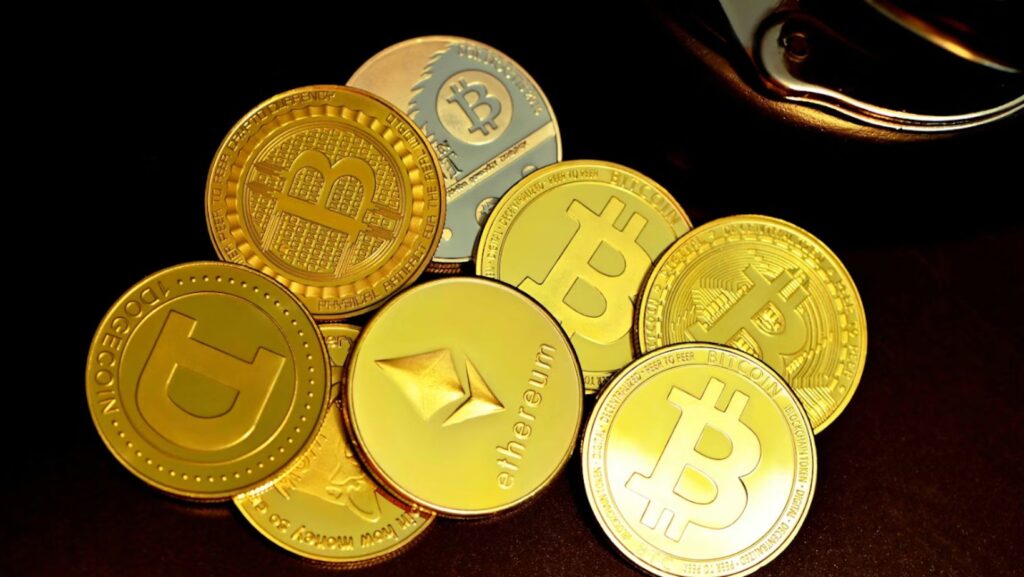
Cryptocurrency promises instant money movement, yet users often wait an hour or more for a withdrawal to complete. This gap between expectation and reality is the central frustration for many. The speed of a payout is determined by two competing forces: the blockchain’s raw network speed (how fast it confirms a transaction) and the exchange’s internal approval process (security checks). Some platforms release funds almost at once, while others pause for safety, even when the underlying network is quick. By separating these two factors, we identify the fastest coins and explain why the platform remains the ultimate bottleneck.
Table of Contents
- Understanding Speed: The Blockchain Trilemma Trade-Off
- Withdrawing in Crypto and How Speed Plays Out in Practice
- Which Coins Deliver the Fastest Network Speeds This Year
- Why a Fast Coin Can Still Feel Slow
- Conclusion
Withdrawing in Crypto and How Speed Plays Out in Practice
A crypto withdrawal is sent to the network only after the platform signs the transaction. From there, the blockchain takes over, with timing shaped by block spacing, confirmation rules, and network traffic. This is why users often prefer fast chains like Solana, XRP, Ethereum, or USDT on Tron, since they clear transactions quickly and with fewer delays.
You can see this in real-world use cases, from blockchain games like Axie Infinity and Gods Unchained to online casinos, where players watch how fast payouts arrive once checks are complete. In Canada’s online casino sector, casino experts track the time between a platform finishing its security review and releasing funds, noting how consistently those speeds hold up. Many guides report that instant withdrawal sites can process payments within minutes when an account is verified, and the growth of same day transfers shows how closely platform efficiency must align with blockchain performance. In the United States, regulators point to the same trend, with licensed operators now viewing crypto as the quickest option for smaller withdrawals and often faster than traditional bank transfers.
Understanding Speed: The Blockchain Trilemma Trade-Off
A network’s speed comes from how it balances the Blockchain Trilemma. No system can fully maximise decentralization, security, and scalability at the same time, so each one leans in a different direction. The fastest chains, such as Solana, XRP, and Tron, reach their speeds by putting more weight on scalability. They use lighter validation steps or higher hardware demands, which helps them move quickly but shifts them away from the deep decentralization older networks aim for.
Bitcoin and Ethereum make the opposite choice. They slow the process so thousands of nodes can verify each block. This focus on security and decentralization is the reason their confirmations take longer and why withdrawals settle more slowly once a transaction is released to the network.
Which Coins Deliver the Fastest Network Speeds This Year
Different blockchains move at very different speeds, and you notice it as soon as you compare recent figures. Solana is usually the quickest in everyday use and recently posted an astounding peak speed of 107,540 transactions per second (TPS), a level that shows how fast the network can move. Many transfers land in under a second when the network is calm, though that can stretch if traffic suddenly spikes. The XRP Ledger sits in a similar space but with a more predictable rhythm, often settling a transfer in roughly three to five seconds.
Tron tends to move fast as well. It handles a high number of transactions without slowing much, which is why people moving USDT on Tron often see it clear almost immediately. Ethereum takes a little longer on its main chain because of its twelve-second blocks, but its Layer 2 networks change the pace and give users a much faster way to move funds while still tying back to Ethereum’s security. Bitcoin is the slowest of the group. Its ten-minute block target, along with the extra confirmations many platforms require, creates longer waits during busy periods.
Why a Fast Coin Can Still Feel Slow
A quick network doesn’t always mean a quick payout because most delays happen before the transaction even reaches the blockchain. Platforms run checks on new accounts or certain withdrawal amounts, and those pauses can last longer than the chain’s confirmation time. Even after the transfer is released, some coins require more confirmations than others, with Bitcoin and Ethereum often taking longer, especially for larger withdrawals. Network traffic can add more delays when fees spike or blocks fill up. So even with a fast coin, the speed you experience is shaped by a mix of platform rules, network conditions, and approval processes.
Conclusion
Fast withdrawals depend on more than the coin you choose. Solana, XRP, and Tron offer some of the quickest network speeds, and they often settle transfers in seconds. But the real wait usually happens before the transaction reaches the blockchain, when platforms run their own checks and approvals. The fastest experience comes from pairing a quick chain with a platform that releases funds without unnecessary delays. Choosing the right combination gives you the closest thing to an instant payout and a withdrawal process that matches your expectations.