
Most online casino games follow a pattern you get used to without really noticing it, where you start a round, something runs in the background, and then a result shows up once everything has already been decided, so there’s always that small gap between what you do and what you see. Aviator doesn’t really leave that gap in the same way, which is why it feels different quite quickly, not because it adds anything complicated, but because it doesn’t stop and wait. The round is already moving, and your decision sits inside that movement rather than after it.
The Gap Isn’t There Anymore
On platforms where the Aviator online game appears alongside more traditional games, like on Betway, that difference becomes easier to pick up on over time, because one type of game asks you to wait for an outcome, while the other keeps you involved while it’s still forming, and the contrast between the two doesn’t take long to settle in once you’ve moved between them.
You’re Following the Moment, Not the Result
With most games, the important part is hidden in the sense that it’s already finished by the time you see it, whether it’s a spin or a hand, so you’re always reacting to something that has already happened. Here, you’re following the moment itself as it unfolds, with the number climbing continuously and no real break in between, which shifts your attention slightly because you’re no longer waiting for a result, you’re deciding before it arrives.
One Choice, Slightly Different Every Time
The structure of Aviator stays simple, but it doesn’t settle into something predictable, because even though you’re making the same decision each time, when to step out, it doesn’t carry the same weight from one round to the next. Sometimes leaving early feels right, other times it feels like you moved too soon, and staying longer can feel just as uncertain, so the tension comes from that slight instability rather than from adding layers or complexity.
The Tech Has to Keep Everything Aligned
For that to work properly, the tech underneath has to keep everything aligned in real time, because even a small delay would break the connection between what you’re seeing and what you’re reacting to, which is why it doesn’t run in clear stages where one part finishes before the next begins. Instead, updates move continuously as the round progresses, with data being processed and delivered at the same time rather than in sequence, so nothing really pauses or resets between moments.
Simple on the Surface, Demanding Underneath
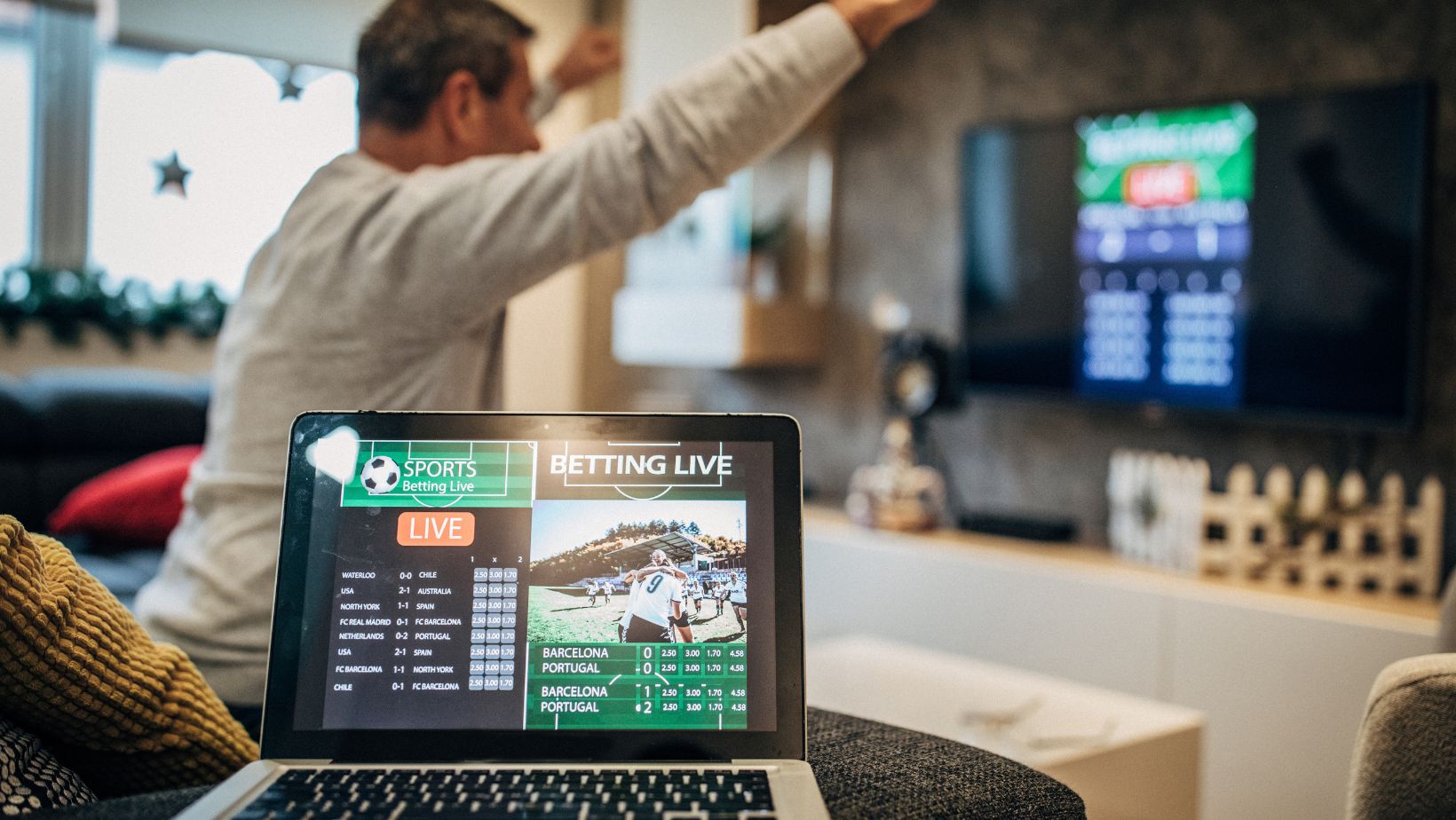
Even though it looks minimal on the surface, the system still has to handle constant input from multiple players at once without slowing down, which is where distributed infrastructure comes in, spreading the load across different servers so no single point becomes a bottleneck, while keeping updates light enough to move quickly without building delay. On platforms like Betway, that consistency matters more here than in most other formats, because there’s nothing in the design that hides it if something slips out of sync.
It Changes How You Read the Game
Over time, the difference becomes less about how the game looks and more about how it handles time, because traditional games separate action and outcome, while this keeps both in the same space, and once you’ve experienced that shift, it’s difficult not to notice how differently everything else feels by comparison.