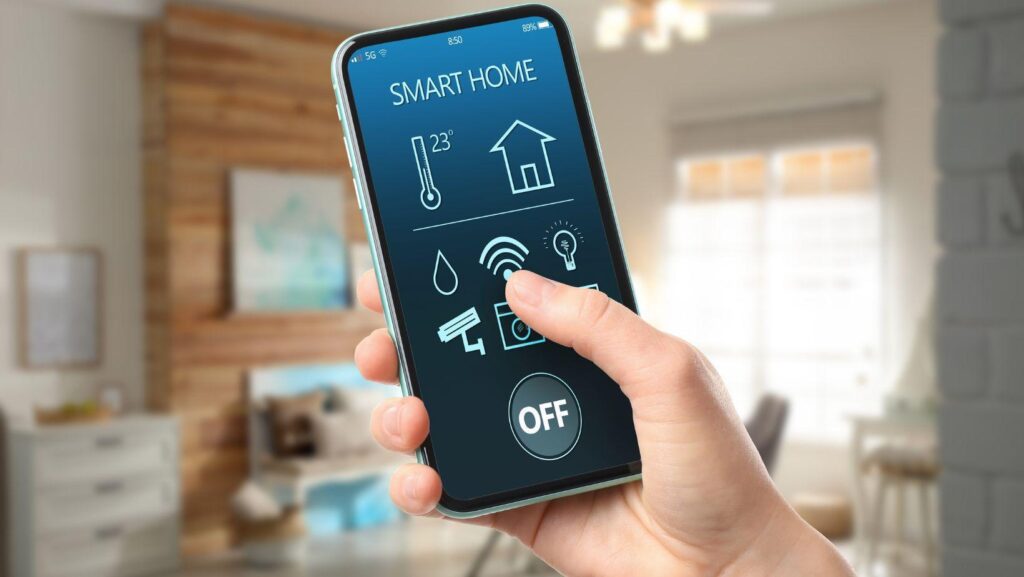
Smart homes are becoming more common every year. Homeowners are adding connected lighting, security cameras, smart thermostats, voice assistants, charging stations, outdoor sensors, and energy-saving systems. These tools can make daily life easier, safer, and more efficient.
But smart home technology is only as reliable as the system behind it.
Many people focus on the device first. They compare brands, apps, features, and prices. That is useful, but it is not the full picture. A smart home also needs safe wiring, strong power access, good outlet placement, proper circuits, and reliable installation.
Without that foundation, even the best devices can become frustrating.
Smart Technology Needs Real Infrastructure
A smart home is not only about apps. It is about how technology works with the physical home.
For example, smart lighting may need updated switches or wiring. A home office may need more outlets. Outdoor cameras may need safe exterior power. An EV charger may need a dedicated circuit. A smart panel or backup power system may require more advanced electrical planning.
This is where homeowners need to think beyond the product box. Before adding more connected devices, it is smart to check whether the home can support them safely.
A licensed electrical company such as Sagan Electric can help homeowners plan safer electrical upgrades for modern home technology.
Outdated Wiring Can Limit Smart Upgrades
Older homes were not built for today’s digital lifestyle. Many households now use laptops, phones, tablets, gaming systems, streaming devices, routers, smart TVs, home office equipment, and connected appliances every day.
When too many devices share limited outlets or old wiring, problems can appear. Breakers may trip. Lights may flicker. Extension cords may become permanent solutions. Some outlets may feel loose or warm. These are warning signs that should not be ignored.
Smart home upgrades should not create electrical stress. They should make the home easier to use.
Before installing more devices, homeowners should check whether the electrical system is ready for the load.
Home Offices Need Better Power Planning
Remote work has made electrical planning even more important. A home office often needs more than one outlet. It may include a computer, monitor, printer, router, phone charger, desk lamp, camera, microphone, and backup storage.
Poor outlet placement can lead to messy cords and unsafe setups. A better plan can make the space cleaner and more reliable.
This is especially important for people who work online, run a business, trade, create content, or manage digital projects from home. A reliable setup helps prevent interruptions and protects expensive equipment.
Outdoor Technology Also Needs Safe Installation
Smart home technology is not limited to indoor spaces. Many homeowners now use outdoor lighting, security cameras, motion sensors, gate systems, garden outlets, patio heaters, and entertainment setups.
Outdoor power needs extra care because it is exposed to weather, moisture, dirt, and temperature changes. Using indoor cords or temporary fixes outside can create safety risks.
If a homeowner wants to add lighting to a patio, power to a shed, or security cameras around the property, the electrical plan should be handled properly from the beginning.
Energy Efficiency Starts With Better Control
One of the biggest benefits of smart home technology is energy control. Smart thermostats, lighting systems, timers, sensors, and energy monitors can help homeowners understand and reduce waste.
But these systems work best when they are installed correctly and matched to the home’s real needs.
A smart thermostat will not solve poor insulation. Smart lights will not fix bad wiring. Energy monitoring will not help much if homeowners ignore the data.
Technology is useful, but it works best when combined with good home maintenance and proper installation.
Security Devices Need Reliable Power
Home security is one of the main reasons people invest in smart devices. Cameras, doorbells, sensors, alarms, and outdoor lighting can all help homeowners feel more protected.
But security devices need reliable power and internet access. If cameras lose power or sensors fail, the system becomes less useful.
That is why homeowners should think about placement, wiring, backup power, Wi-Fi coverage, and long-term maintenance before installing security devices.
A smart security system should be planned, not rushed.
Do Not Build a Smart Home With Temporary Fixes
Extension cords, overloaded power strips, and quick DIY wiring may seem convenient, but they are not a good long-term solution.
A smart home should be safer and more efficient, not more cluttered and risky. If a room needs more outlets, better lighting, or a dedicated circuit, it is better to fix the issue properly.
Temporary fixes often create more problems later. They can also make the home look messy and reduce the benefit of the smart upgrade.
Know When to Call a Professional
Some smart devices are simple to install. Others need professional support. Homeowners should be careful with anything involving wiring, panels, circuits, outdoor power, high-voltage systems, or major home changes.
If a smart home upgrade is part of a larger renovation, it helps to plan everything together. For homeowners comparing broader home improvement options, home renovation support can be a useful place to start.
Final Thoughts
Smart home technology can make life easier, but it should be built on a safe and reliable foundation.
Before adding more devices, homeowners should think about wiring, outlets, circuits, lighting, outdoor power, and long-term use. Good electrical planning helps smart systems work better and reduces the risk of problems later.
A modern home is not only connected. It is prepared. When technology and infrastructure work together, the result is a smarter, safer, and more practical place to live.