In 2024, consumers reported more than $12.5 billion lost to fraud, and the FTC says cryptocurrency was tied to $1.42 billion of that total. The FBI also reported that investment fraud involving cryptocurrency led all internet crime categories by losses, topping $6.5 billion.
That is the real backdrop for any conversation about buying Bitcoin safely. The challenge is not simply getting access. It is getting access without walking into bad fees, weak custody, fake platforms, or pressure tactics that push people into rushed decisions. Some users want the speed of a Bitcoin ATM. Others care more about control, privacy, or long-term storage. The safest route depends on what the transaction is for, how often Bitcoin will be used, and who holds the keys once the purchase is done.
1. Bitcoin ATMs for Fast, Local Access
Bitcoin ATMs are one of the simplest ways to buy Bitcoin without dealing with a full trading dashboard first. That is a big part of the appeal. For someone who wants a more direct path, especially in a local setting, the process can feel more familiar than signing up for an exchange, learning order types, and sorting through a long list of features.
That convenience does not remove the need for caution. It just changes where the risks sit. Before using any machine, it helps to check the operator, review the fees, confirm the transaction limits, and make sure the destination wallet address is correct. A rushed mistake at that stage can be hard to undo.
2. Regulated Cryptocurrency Exchanges
For many people, regulated cryptocurrency exchanges are still the default starting point. That makes sense. They are built to handle the full process in one place: account setup, identity checks, funding, purchases, and transfers. For a beginner, that kind of structure can feel a lot safer than sending money through a less familiar channel and hoping everything lands where it should.
The real benefit is not just convenience. It is the extra layer of guardrails. Established exchanges usually offer fraud monitoring, account recovery options, transaction records, and clearer support systems when something goes wrong. That said, “regulated” should not be treated like a magic word. Users still need strong passwords, two-factor authentication, and a habit of double-checking withdrawal details before moving funds.
Exchanges are often the easiest on-ramp, but they are not always the best long-term home for larger holdings. Buying there is one thing. Leaving too much there is another.
3. Mobile Crypto Apps for Everyday Convenience
Mobile crypto apps appeal to people who want Bitcoin access to feel simple. Open the app, verify the account, make a purchase, check the balance, send funds. Done. For casual users, that ease matters. A cleaner interface lowers the friction, and for someone making smaller transactions, that can be the difference between actually learning the process and giving up halfway through it.
Some of these apps also come with useful safety features built into daily use. Biometric login, transaction alerts, and confirmation prompts add small layers of protection that make mistakes less likely. Those details do not sound dramatic, but they matter when money moves fast.
The catch is that convenience can hide tradeoffs. Some apps build in wider spreads than users realize. Others make buying easy but moving Bitcoin off the platform harder than expected. That is why the smoothest app is not automatically the safest one. Easy access helps, but real control still matters.
4. Non-Custodial Wallets for Greater User Control
At some point, a lot of Bitcoin users stop asking how to buy and start asking who actually controls the asset after the purchase. That question leads straight to non-custodial wallets. With a custodial setup, a platform holds the keys on the user’s behalf. With non-custodial wallets, the user holds those keys directly, which means the Bitcoin is not sitting under someone else’s control.
That is the upside. The tradeoff is responsibility. There is no support ticket that can restore access if a recovery phrase disappears or a backup was never made. That part tends to get glossed over until something goes wrong.
Used well, non-custodial wallets give users more independence and a cleaner line of ownership. Still, the basics matter more than the label. Recovery phrases need to be backed up securely, wallet addresses should be checked carefully before every transfer, and larger sends are often safer when tested with a small amount first.
5. Hardware Wallets for Long-Term Bitcoin Security
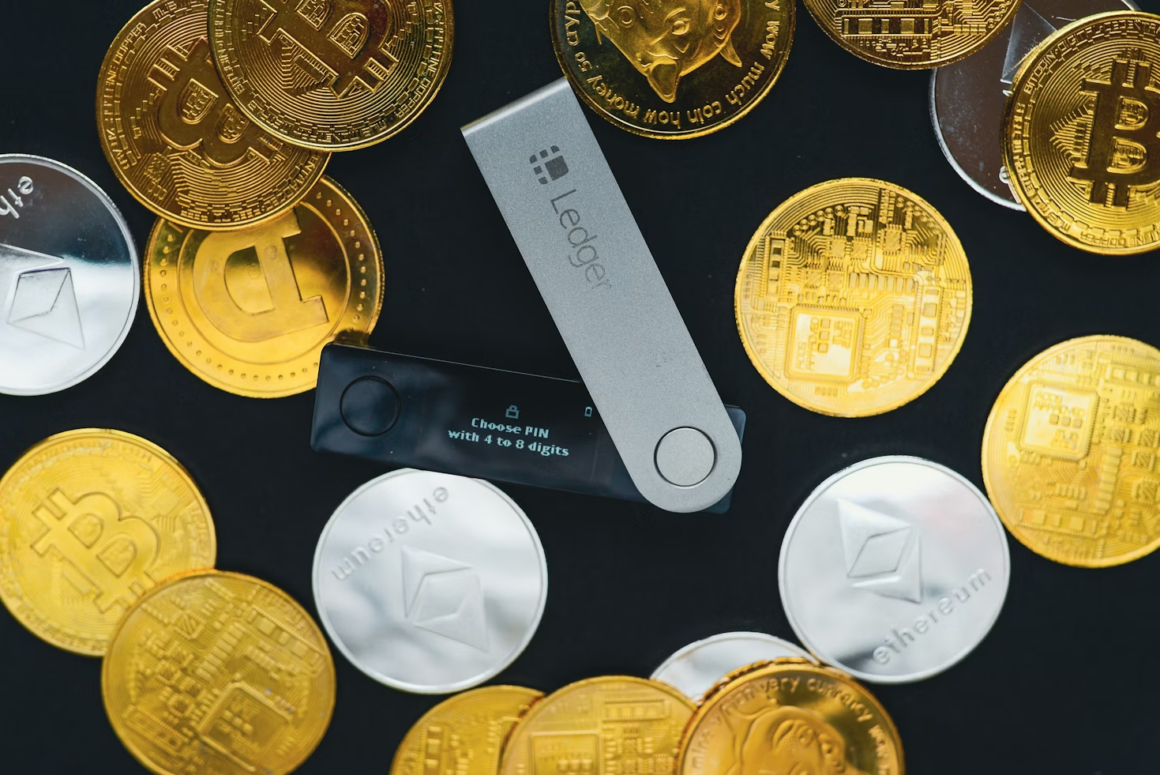
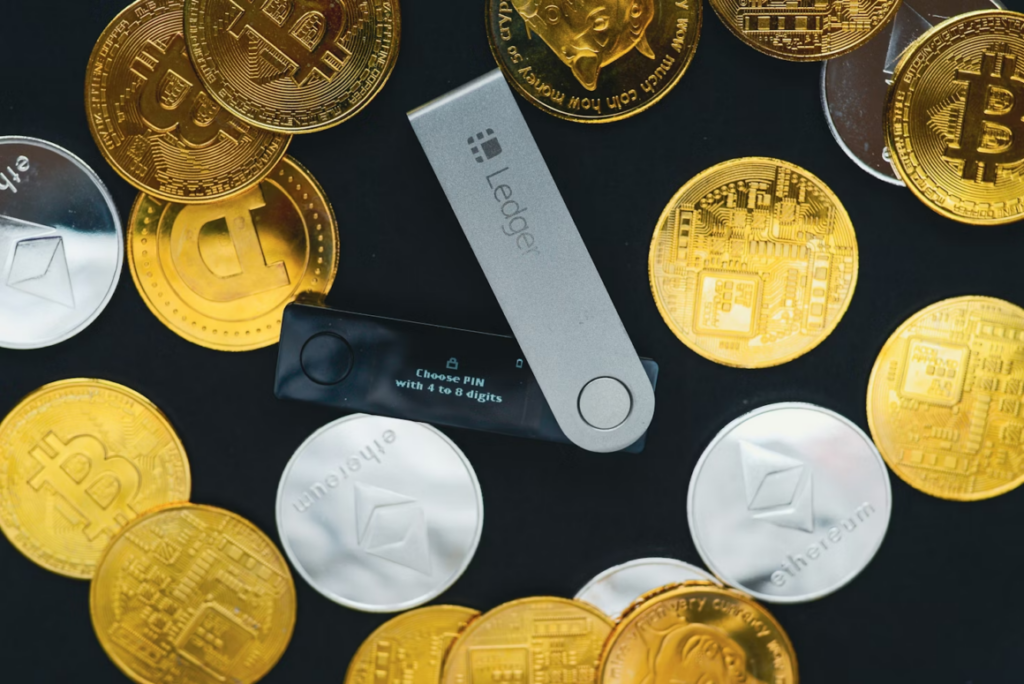
Hardware wallets are built for a different job. They are not mainly about fast access or quick purchases. They are about reducing exposure. When Bitcoin is meant to be held for months or years, keeping private keys offline gives users a stronger layer of protection against phishing, malware, exchange failures, and the kind of account compromise that tends to happen on connected devices.
That is why hardware wallets are often treated as the safer choice for long-term storage. The wallet itself is only part of the equation, though. It still matters where the device came from, how it was set up, and whether the recovery phrase was stored properly from day one.
In practice, hardware wallets make the most sense for people who do not need to move Bitcoin constantly. They are less convenient than app-based tools, but that is the point. A little friction can be a security feature.
6. Peer-to-Peer Platforms for Flexible Transactions
Peer-to-peer platforms appeal to users who want more flexibility than a standard exchange usually offers. That might mean alternative payment methods, local deals, or a more direct buyer-to-seller transaction. In the right setup, that flexibility is useful. It can open access for people who do not want the structure of a large exchange or who need options that fit their region better.
It also raises the stakes. On a peer-to-peer platform, safety depends much more on process. Escrow matters. Verified counterparties matter. Platform reputation matters. So does the simple decision to keep the conversation and payment flow on the platform instead of drifting into private messages too early.
That is where people get into trouble. A deal can look attractive right up until someone asks to move off-platform, skip the escrow step, or rush the transfer. Peer-to-peer access can work well, but only when flexibility is paired with discipline.
7. Payment Platforms With Built-In Bitcoin Access
Some payment platforms now let users buy or hold Bitcoin without ever stepping into a traditional crypto exchange. That is a big reason they keep attracting new users. The interface is familiar, the setup usually feels lighter, and for someone already comfortable using a digital payment app, the jump into Bitcoin can seem much less intimidating.
There is real convenience in that. A person can move from everyday payments to a Bitcoin purchase inside the same ecosystem, often in just a few taps. For smaller buys or occasional use, that simplicity can be enough.
Still, built-in access is not the same as full ownership. Some platforms make buying easy but limit withdrawals, which means the user may have exposure to Bitcoin without having full control over where it goes next. That distinction matters more than it first appears. Easy access has value, but it is stronger when users also know exactly what rights come with it.
8. OTC and Concierge Services for Larger Transactions
For larger Bitcoin purchases, over-the-counter services can make more sense than using a standard retail platform. The main advantage is not just privacy. It is structure. Instead of placing a large order into a public market and dealing with price movement, slippage, or a clunky self-serve process, the buyer works through a more guided transaction.
That can be useful for businesses, higher-volume buyers, or anyone who wants clearer execution and more hands-on support. A well-run OTC desk can make the process feel steadier, especially when the amount involved is large enough that small pricing differences start to matter.
Even so, the same rule applies here as everywhere else: bigger transactions call for better due diligence, not less. Reputation, compliance standards, settlement procedures, and basic verification all matter before funds move.
What Makes a Crypto Access Solution Safe?
Safety starts before the transaction itself. A platform can look polished and still be weak where it counts. The basics are usually what matter most: strong login protection, clear fee disclosure, reliable withdrawal controls, and a setup that does not leave users guessing who holds the keys. Good support helps too, especially when something looks off and a fast answer matters.
Just as important, safe access means knowing when not to proceed. Pressure, urgency, vague instructions, and requests to move money before details are verified are all bad signs. The FTC’s guidance on crypto scam warning signs makes that point clearly. Convenience matters, but it should never outrank verification.
Safe Bitcoin Transactions Start With the Right Entry Point
Safe Bitcoin transactions do not begin with the asset. They begin with the access point. A Bitcoin ATM may make sense for someone who wants speed and local convenience. A regulated exchange may work better for a first purchase. A non-custodial wallet or hardware wallet may be the stronger move once control and long-term protection matter more.
The best setup depends on how the Bitcoin will actually be used. In many cases, the smartest approach is not choosing one tool and sticking with it forever. It is combining a reliable way to buy with a safer way to store. That is usually where convenience and security finally meet.